


In today’s digital-first world, content is the currency of attention. Whether you are running a growing startup or managing an established enterprise, content creation in digital marketing sits at the core of every successful online strategy. It drives your search rankings, builds your brand, nurtures leads, and converts prospects into loyal customers.
Yet many businesses still treat content as an afterthought, posting sporadically, chasing trends without strategy, or measuring success by volume alone. This guide cuts through the noise. Below, you will find ten data-backed, strategy-driven reasons why investing in consistent, high-quality digital marketing content creation is the smartest growth decision you can make in 2025.
What Is Content Creation in Digital Marketing?
Content creation in digital marketing is the process of researching, planning, producing, and distributing valuable media text, video, audio, or visual content to attract, engage, and convert a clearly defined target audience. It is not simply about publishing regularly; it is about publishing purposefully.
Within a broader digital marketing strategy, content creation sits at the intersection of SEO, social media, email marketing, and paid advertising. Great content amplifies every other channel. Poor content wastes every dollar spent promoting it.
The most common content types in digital marketing and content creation include:
- Blog posts and long-form articles
- Social media content (posts, reels, stories)
- Videos and webinars
- Infographics and visual assets
- Email newsletters and drip campaigns
- Website copy and landing pages
Each format serves different audience segments and stages of the buyer journey. The most effective content strategies combine multiple formats and distribute content across channels where their audience already spends time.
1. Improves Search Engine Rankings
Search engine optimization and content creation for digital marketing are inseparable. Google’s core algorithm has always rewarded websites that consistently publish expert, authoritative, and trustworthy content, and its Helpful Content updates have made this more important than ever.
Here is how content creation directly impacts your organic search performance:
- Every new piece of content gives search engines another page to index, expanding your digital footprint.
- Strategically placed keywords like “digital marketing content creation” or “content creation tools for digital marketing” help match your pages to real user queries.
- Fresh, regularly updated content signals to Google that your site is active and authoritative.
- Long-form educational content earns backlinks naturally, which directly boosts domain authority and rankings.
- Optimised meta titles, descriptions, and header tags make it easier for search engines to understand your content.
Businesses that maintain an active content calendar see, on average, 434% more indexed pages than those that publish infrequently, and more indexed pages mean more opportunities to rank for the long-tail keywords your buyers are searching for.
2. Builds Strong Brand Awareness
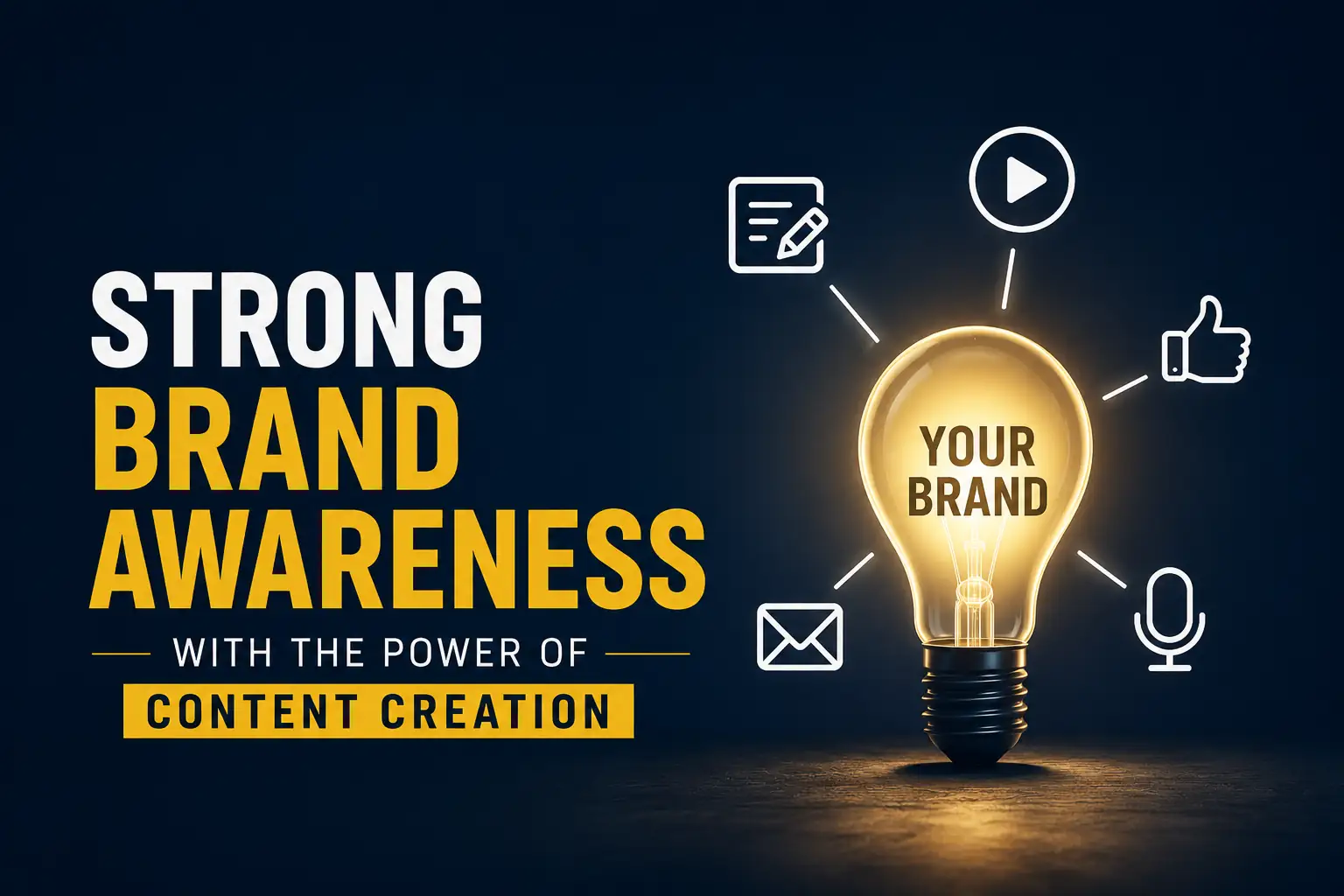
Before customers can buy from you, they need to know you exist and, more importantly, they need to trust what you stand for. Content creation is the most cost-effective tool for building genuine, lasting brand awareness.
- Consistent brand voice and tone across every piece of content trains audiences to recognise you instantly.
- Publishing regularly keeps your brand top-of-mind even when the user is not ready to buy.
- Content like case studies, behind-the-scenes posts, and team spotlights humanise your brand.
- Sharing original data, research, or expert commentary builds a reputation that competitors cannot easily copy.
Brand awareness built through content compounds over time. Unlike a paid ad that disappears the moment the budget runs out, a well-crafted brand story, a definitive industry guide, or a recurring content series becomes part of your brand’s permanent identity in the marketplace.
3. Drives Organic Traffic
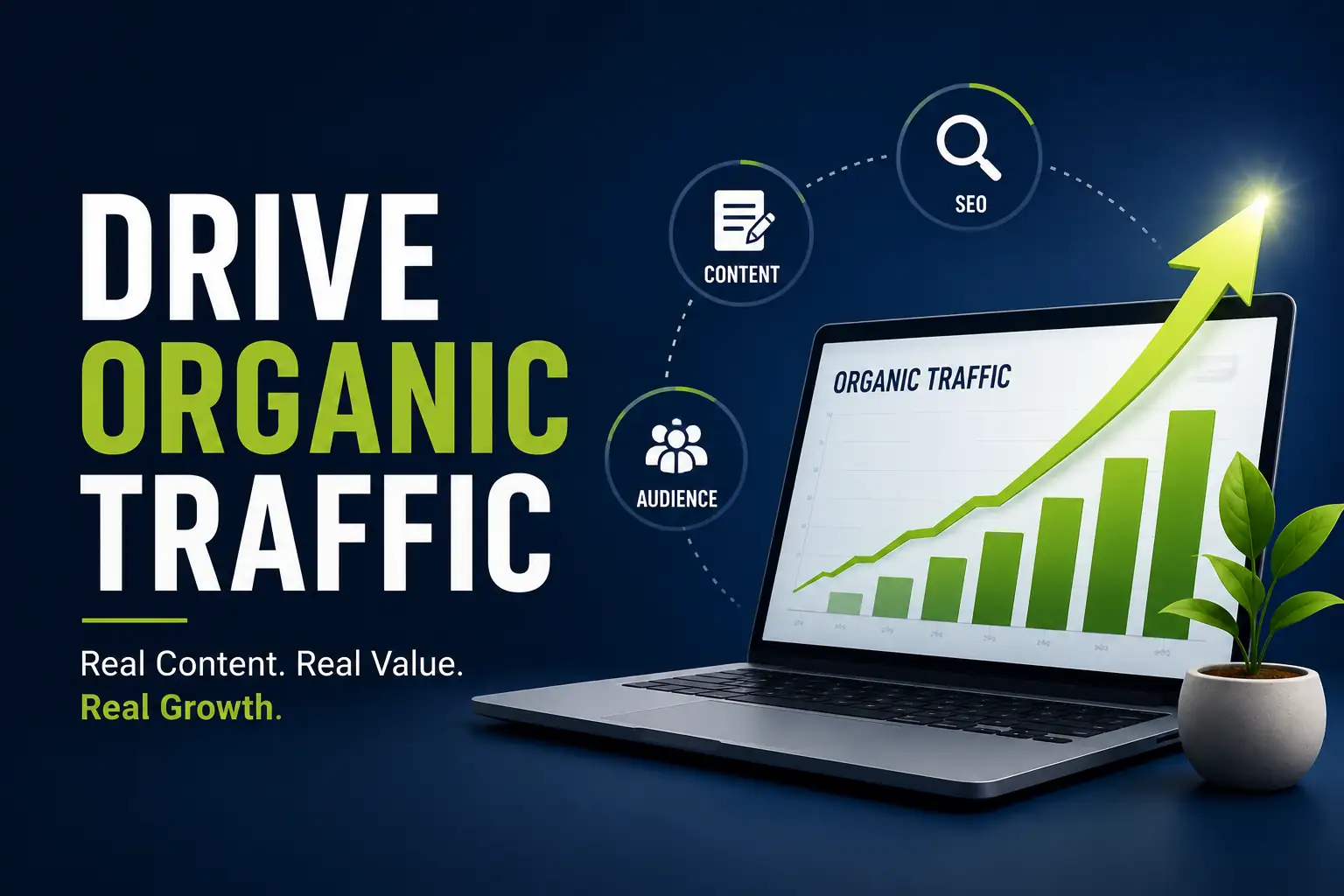
Paid traffic stops the moment your budget does. Organic traffic driven by high-quality content keeps coming long after the publish date. This is the fundamental economic advantage of content marketing over performance advertising.
- A well-optimised blog post can drive traffic for years, making it one of the highest-ROI marketing activities.
- Evergreen content guides, how-tos, and FAQs attract steady organic search traffic long after publication.
- Internal linking between posts keeps visitors exploring your site, compounding traffic gains.
- Repurposing blog content into videos, infographics, and social posts multiplies reach without proportional effort.
The cumulative effect of organic traffic is significant. HubSpot research consistently shows that companies with active blogs generate 55% more website visitors than those without. Over 12–24 months of consistent publishing, those numbers grow exponentially as each new piece of content adds to your site’s topical authority.
4. Generates High-Quality Leads
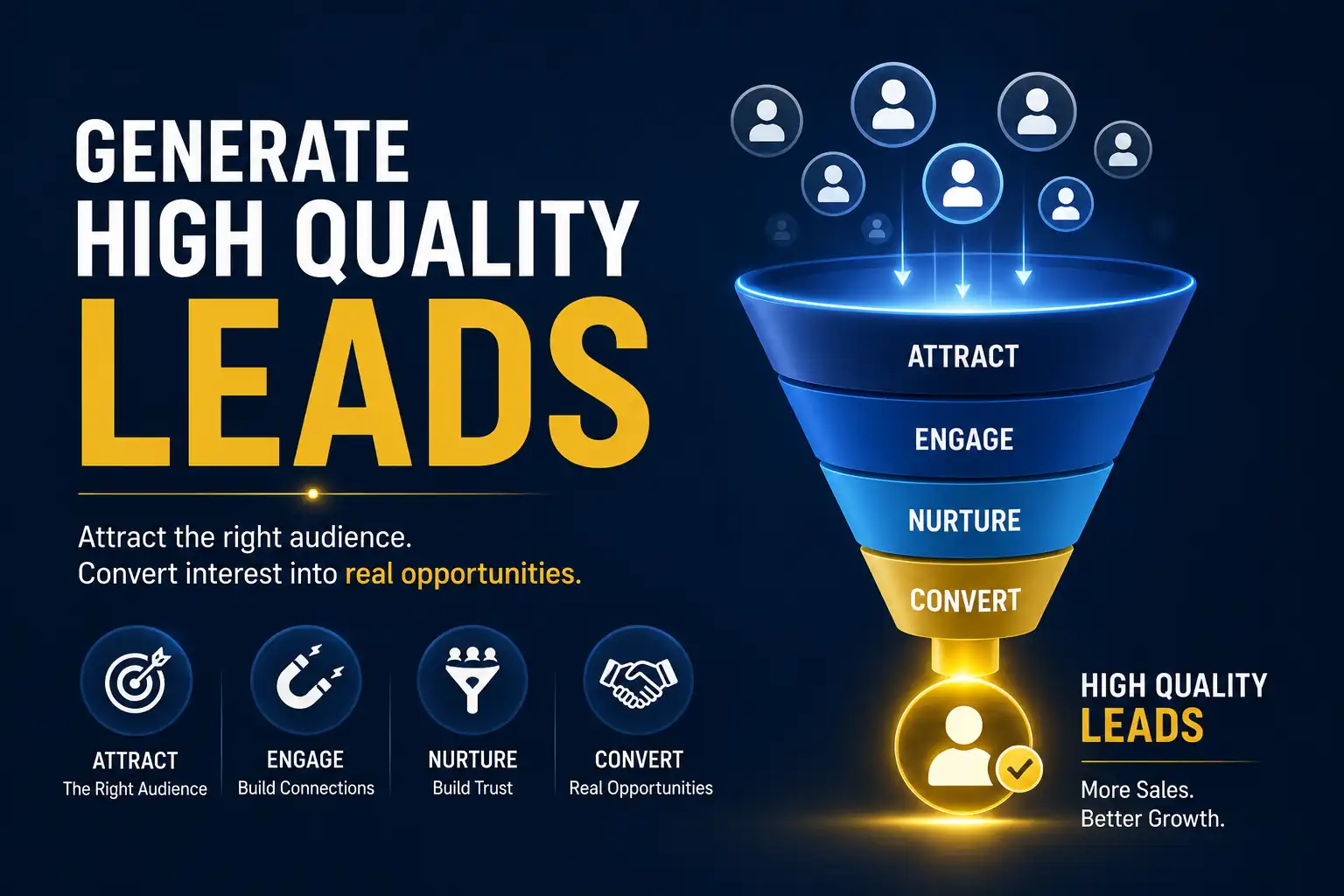
Volume of traffic means nothing without quality. Content creation, when done well, attracts precisely the visitors most likely to become your customers because the content itself speaks directly to their problems, questions, and aspirations.
- Content targets specific pain points, attracting visitors who are already looking for solutions you offer.
- Gated content eBooks, templates, checklists capture email addresses and move users into a nurturing funnel.
- Segmented content funnels deliver the right message to the right audience at the right stage, accelerating purchase decisions.
- High-value content positions your brand as the go-to source before the prospect even speaks to sales.
The content marketing funnel starts with awareness-stage content (blog posts, social content), moves to consideration-stage content (comparison guides, case studies), and ends with decision-stage content (testimonials, free trials, demos). Each layer qualifies prospects more deeply, delivering higher-intent leads to your sales team.
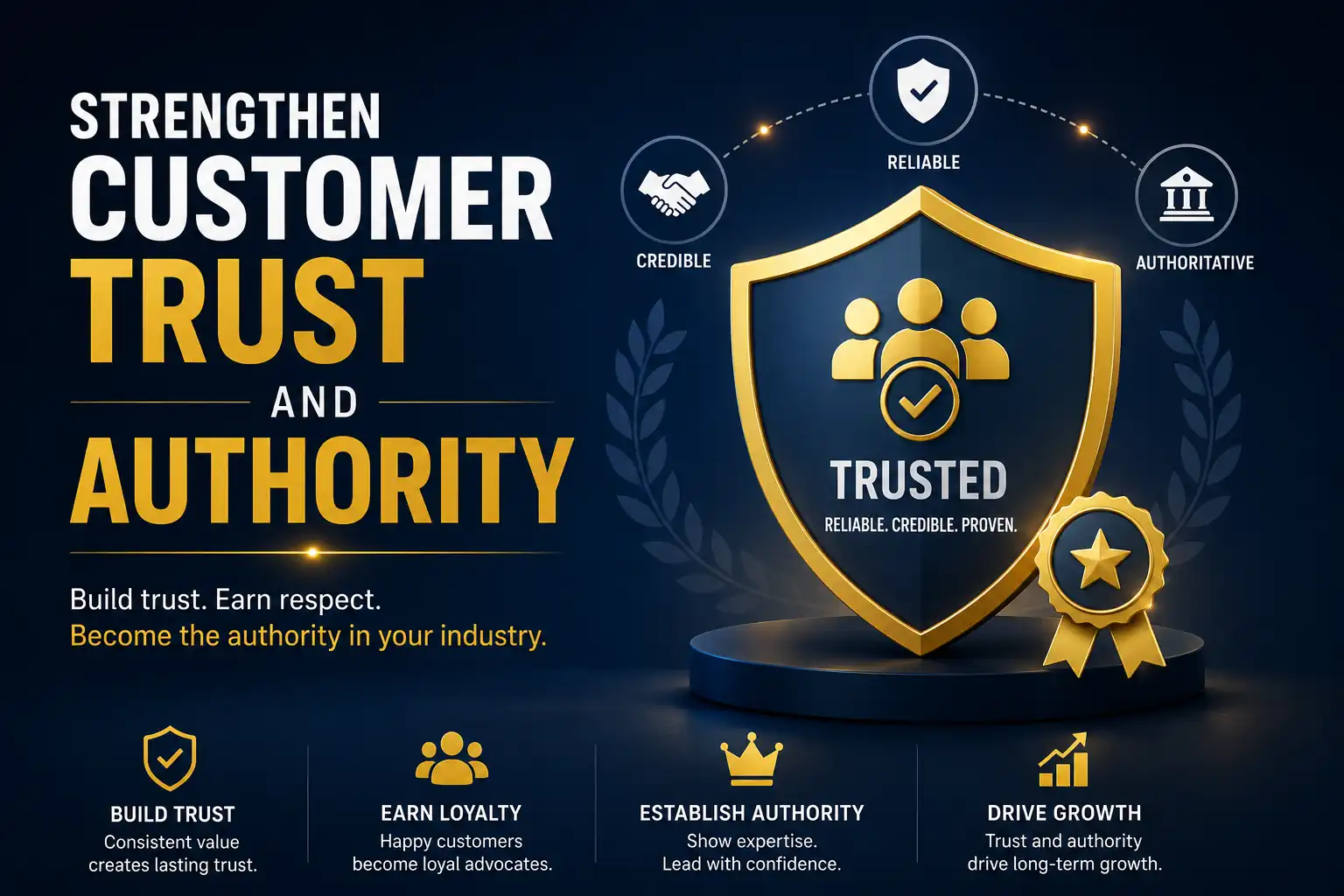
5. Strengthens Customer Trust and Authority
People do not buy from brands they do not trust. In a market saturated with competing claims and aggressive advertising, educational and authentic content is the most powerful trust-building tool available to marketers.
- In-depth tutorials, guides, and whitepapers demonstrate expertise and build genuine credibility.
- Consistently accurate, well-researched content signals that you are a reliable source of information.
- Thought leadership articles published on your site and in industry outlets elevate your brand’s standing in the market.
- Transparent content such as honest reviews, case studies, and customer stories builds emotional trust.
Authority is not claimed; it is earned through consistently demonstrating that you understand your audience’s world better than anyone else. Brands that achieve genuine thought leadership through content creation command premium pricing, higher retention, and more referrals.
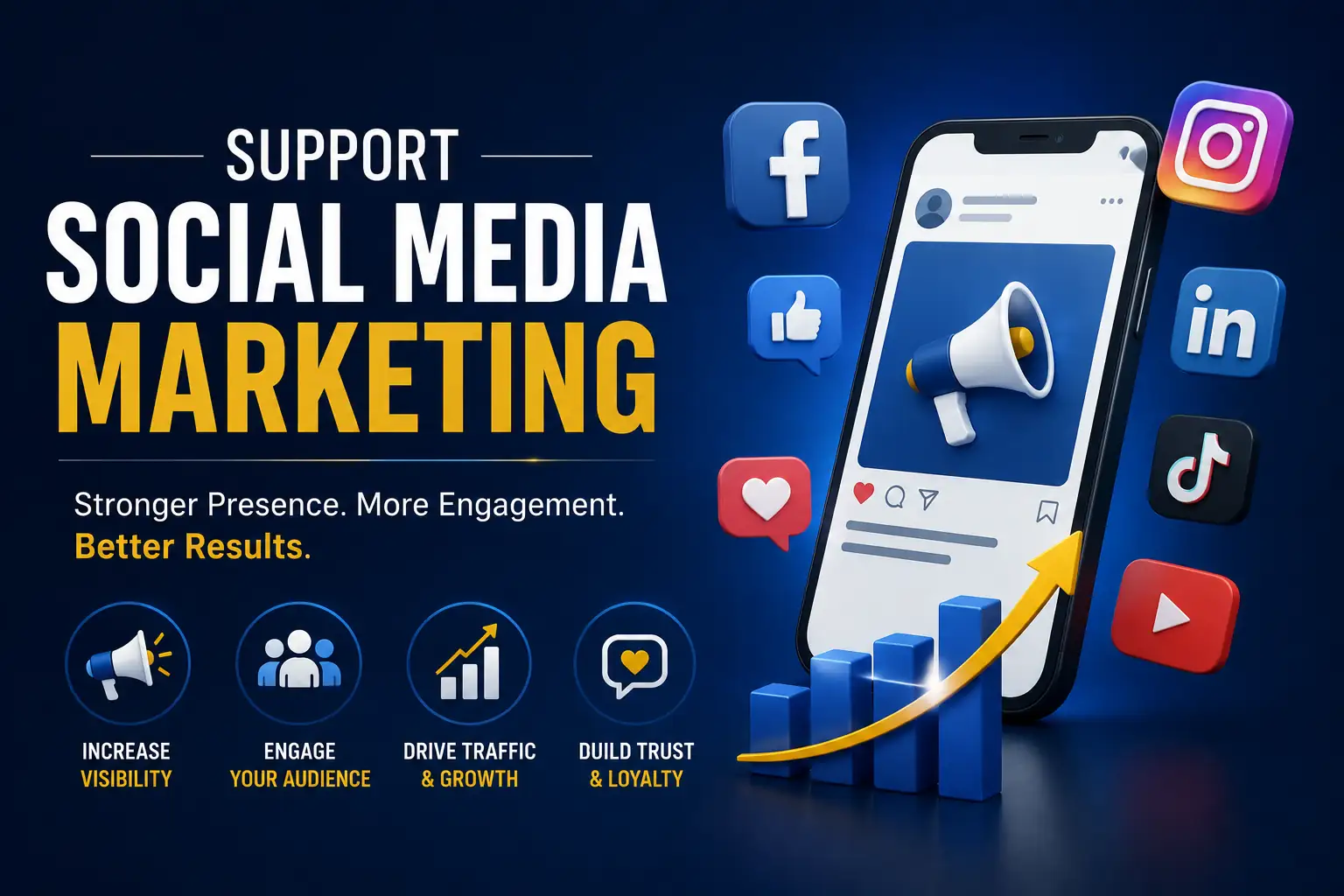
6. Supports Social Media Marketing
Social media platforms are content distribution engines. Without a steady stream of original, high-value content, your social presence becomes just sharing others’ work, and you lose the opportunity to own the conversation in your niche.
- Every blog post, video, or infographic becomes shareable material across Facebook, Instagram, LinkedIn, and X.
- Platform-specific content (short reels, carousels, quote graphics) drives higher engagement tailored to each audience.
- High-quality content earns organic shares, extending reach far beyond your existing follower base.
- Social content sparks conversations, boosts comments, and builds community around your brand.
A strong content calendar fuels social media with a consistent pipeline of posts, stories, and videos, ensuring you show up in your audience’s feed regularly and memorably. Each piece of social content also drives traffic back to your website, creating a compounding loop between content marketing and social strategy.
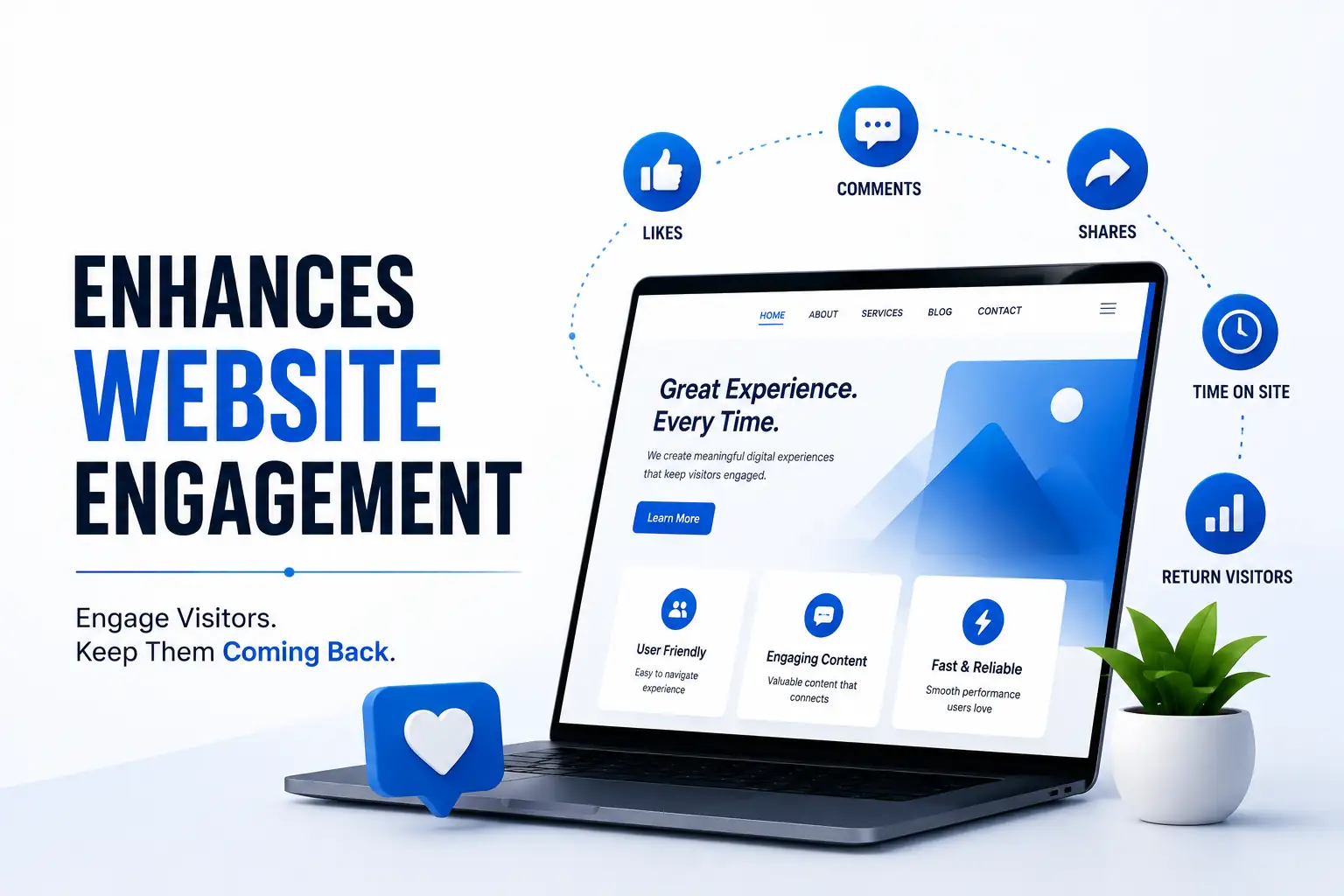
7. Enhances Website Engagement
Traffic without engagement is a leaking bucket. Content creation directly influences the on-site metrics that Google uses as signals of page quality, bounce rate, average session duration, and pages per session, all of which feed back into your search rankings.
- Relevant, well-structured content answers visitor questions immediately, dramatically reducing bounce rates.
- Videos, interactive tools, and data visualisations encourage users to explore more pages per session.
- Strategic internal linking and related-post widgets extend time on site and improve crawlability.
- A smooth reading experience (clear headings, bullet points, short paragraphs) keeps readers engaged from the introduction to the CTA.
A website that consistently publishes valuable content gives visitors a reason to explore deeper, stay longer, and return more often. Over time, this improved engagement creates a virtuous cycle: better engagement signals improve rankings, higher rankings drive more traffic, and more traffic generates more engagement data.
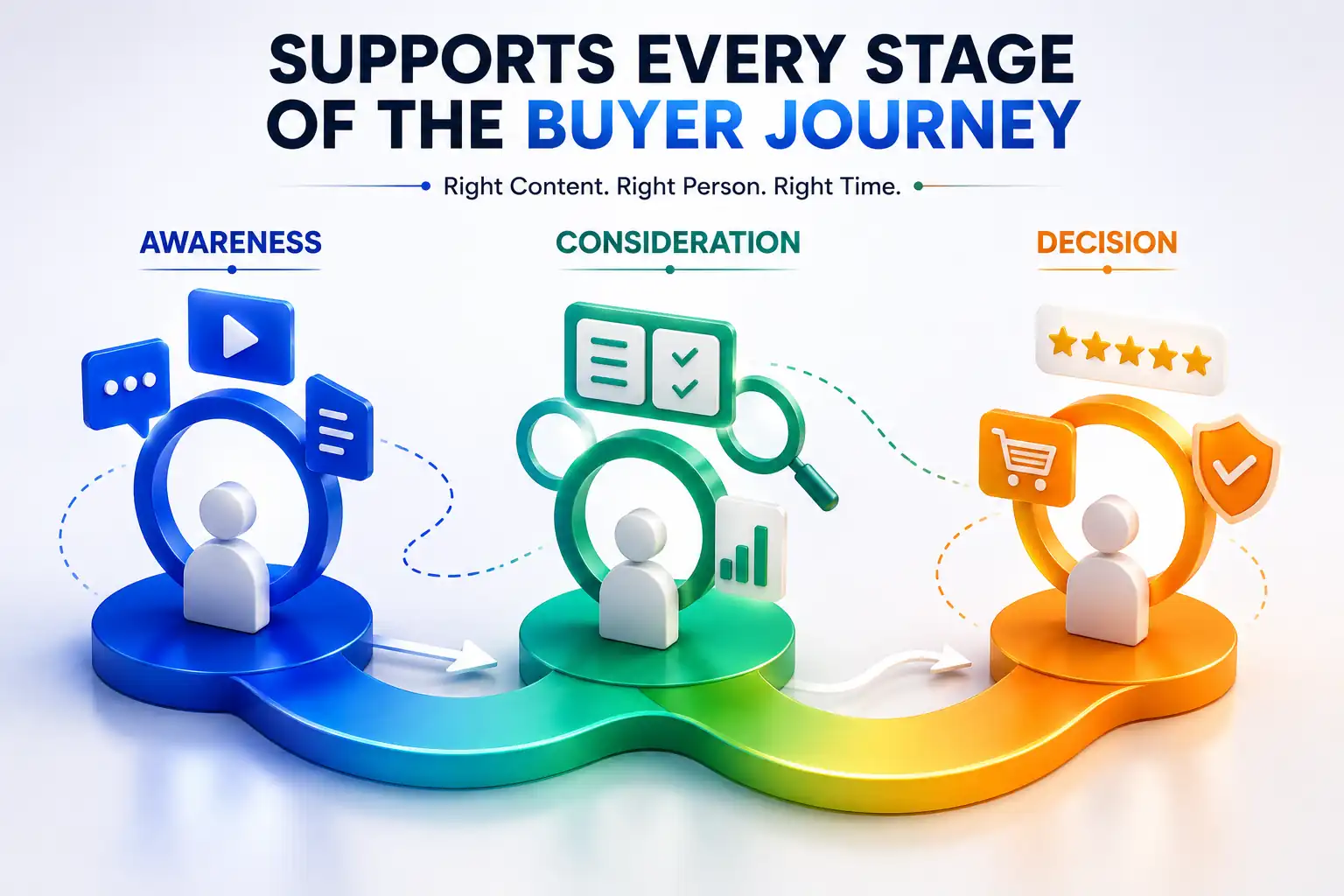
8. Supports Every Stage of the Buyer Journey
One of the most underappreciated powers of strategic content creation is its ability to engage a buyer at every stage of their decision journey, from the first time they encounter a problem to the moment they choose a solution.
Awareness Stage
At the top of the funnel, buyers are identifying problems, not shopping for solutions. Content here should educate, inform, and answer foundational questions. Blog posts, how-to guides, educational videos, and social content work best. The goal is to introduce your brand as a helpful resource before any commercial intent is present.
Example: “What Is Content Marketing and Why Does Your Business Need It?”
Consideration Stage
Mid-funnel buyers are actively evaluating options. They know what their problem is, and they are researching solutions. Comparison articles, case studies, webinars, and detailed guides help them understand why your approach is superior. This stage is where thought leadership content earns its keep; it shapes the criteria buyers use to evaluate vendors.
Example: “Content Marketing vs. Paid Advertising: Which Delivers Better Long-Term ROI?”
Decision Stage
Bottom-funnel content targets buyers who are ready to act. Testimonials, product demos, free trials, pricing pages, and FAQ content remove the final objections standing between a prospect and a purchase. The job here is not to persuade; it is to provide the specific assurance the buyer needs to feel confident.
Example: “How TM Studio Helped a Local Business Grow Organic Traffic by 280% in 6 Months”
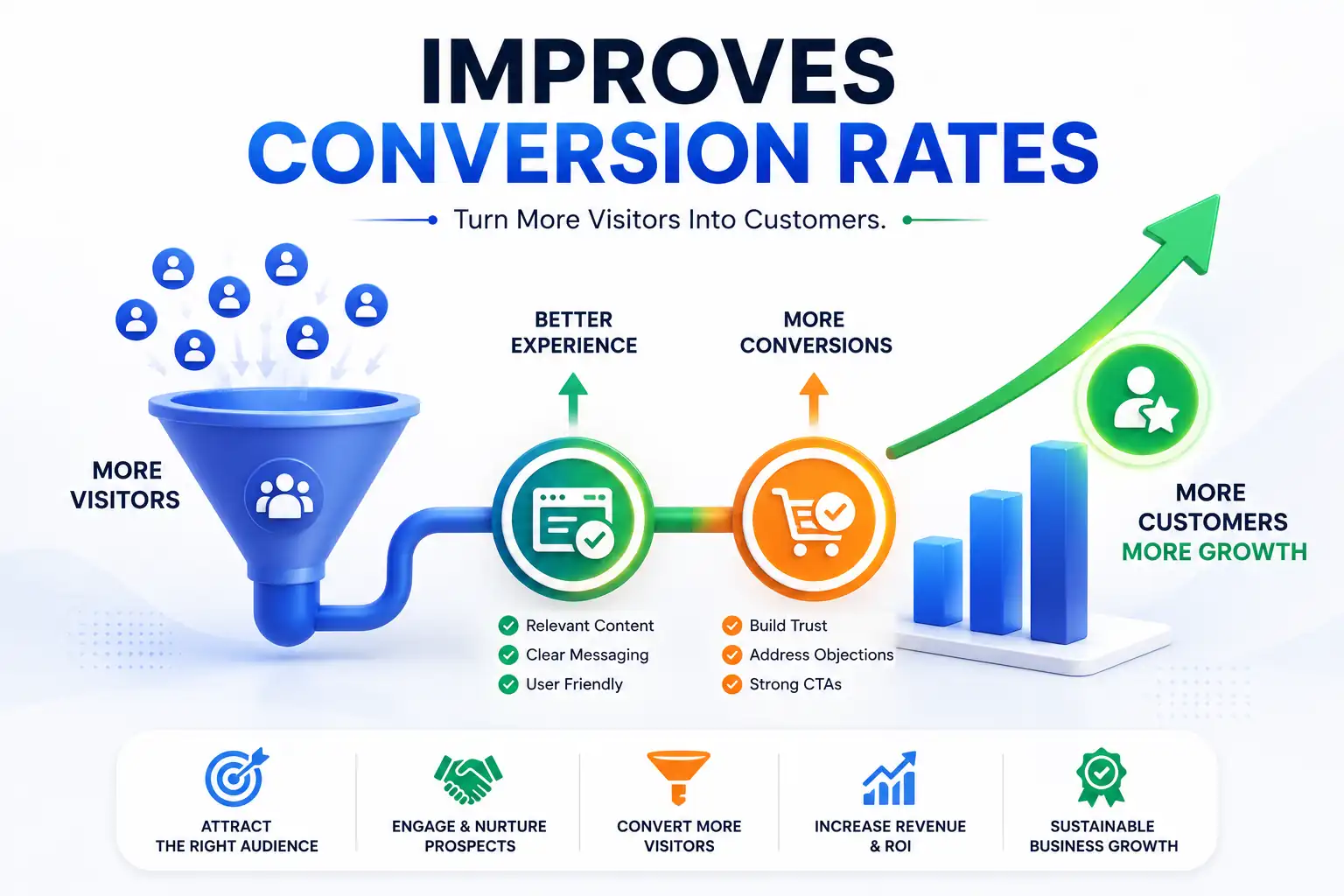
9. Improves Conversion Rates
Content creation is not just a top-of-funnel activity. When executed with conversion optimization in mind, it becomes a powerful revenue driver at every stage of the pipeline.
- Persuasive landing page copy built on real audience insights communicates value and removes purchase hesitation.
- Content-driven email sequences nurture leads over time, warming them up before any sales conversation.
- Testimonials, data-backed claims, and FAQs embedded in content address objections at the point of decision.
- Well-placed, contextually relevant CTAs guide readers towards the next logical action without feeling pushy.
Companies with a structured content marketing process report conversion rates up to six times higher than those without. That gap comes from the trust, familiarity, and authority that consistent, high-quality content builds over time, making every conversion touchpoint more effective.
10. Delivers Long-Term ROI
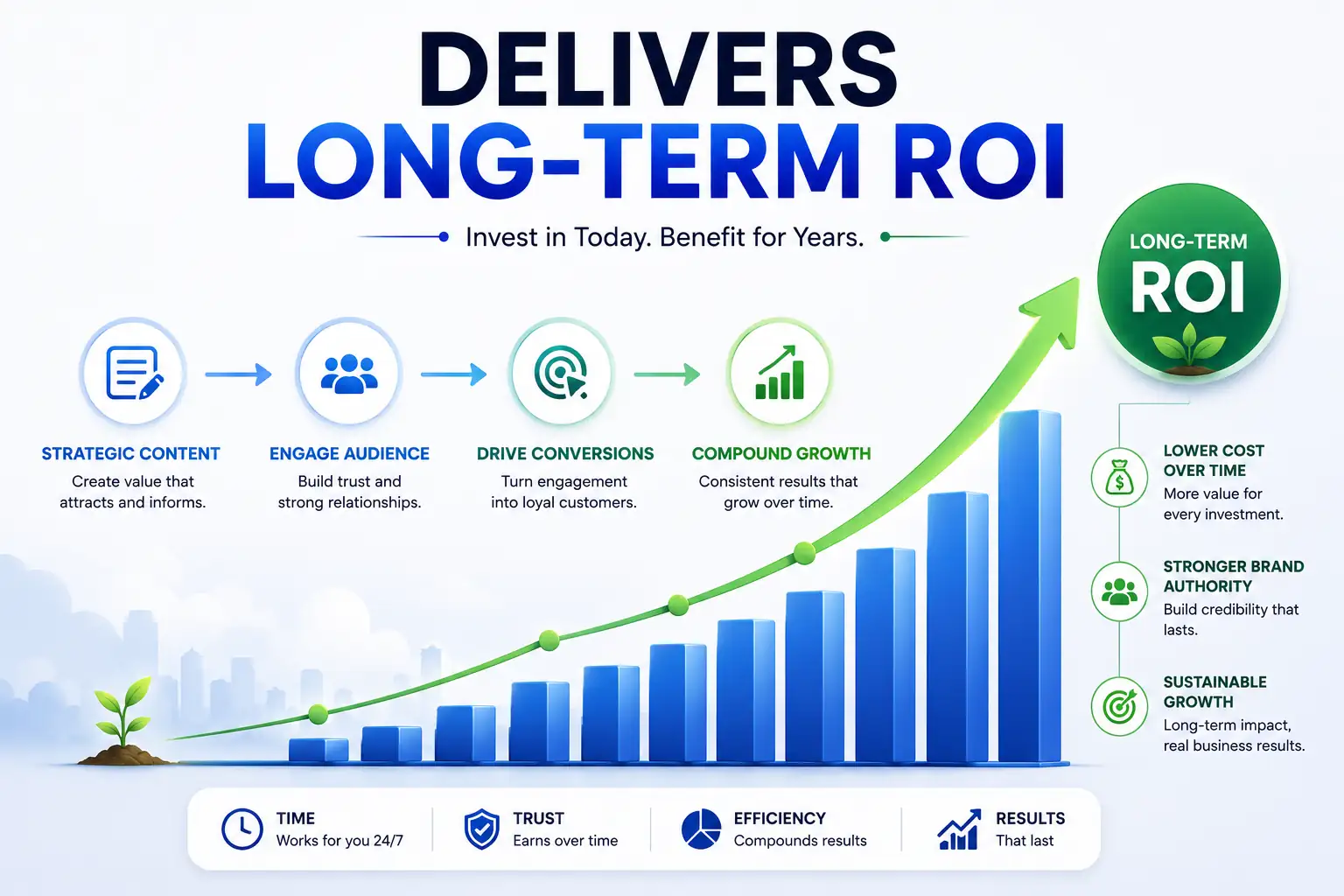
The single greatest financial argument for content creation in digital marketing is its return over time. Unlike paid advertising, which stops performing the moment you stop spending, content is a compounding asset that delivers increasing returns the longer it exists.
- A single high-quality blog post can generate traffic and leads for years, as the unit economics improve the longer it stays live.
- Content marketing costs approximately 62% less than traditional outbound marketing while generating three times as many leads.
- Repurposing content across channels (blog → video → social → email) multiplies reach without a proportional budget increase.
- Over time, a rich content library reduces paid ad dependency, lowering customer acquisition costs.
The compounding effect is real and measurable. A well-optimised blog post published today may generate 10 leads in its first month. In month six, it could be generating 50. By month eighteen, it might account for hundreds of conversions, all without any additional spend. No paid channel offers that kind of scalable, diminishing-cost performance.
Best Practices for Effective Content Creation
Understanding why content creation matters is only half the battle. Here is how to build a content marketing process that consistently delivers results:
- Understand Your Audience: Build detailed buyer personas and use keyword research to map content to real search intent before you write a single word.
- Quality Over Quantity: One comprehensive, well-researched 2,000-word post outperforms ten shallow 300-word posts every time in search rankings and reader trust.
- SEO Optimization: Weave your primary keyword content creation in digital marketing and secondary keywords naturally into headings, body copy, image alt text, and meta descriptions.
- Consistency: Publish on a realistic schedule (even bi-weekly beats sporadic bursts) and maintain a uniform tone, style, and quality bar across all channels.
- Performance Analysis: Track organic traffic, engagement time, bounce rate, and conversion metrics. Use the data to double down on what works and cut what does not.
Conclusion
Content creation is not a nice-to-have in modern digital marketing; it is the engine that drives every other channel. From improving search rankings and building brand awareness to generating high-quality leads and delivering long-term ROI, the ten reasons outlined above make a compelling case for prioritizing a strategic, consistent content marketing process.
The brands that win online are not the ones with the biggest budgets. They are the ones that show up consistently, with content that genuinely helps their audience, content that earns trust, commands authority, and converts at scale.
Whether you are starting your content journey or scaling an existing strategy, the time to invest in digital marketing and content creation is now. Every day without a content strategy is a day your competitors are building authority in the spaces your customers are searching.
Ready to build a content strategy that drives measurable results? Contact TM Studio today and let our team of content and SEO specialists create a tailored roadmap for your brand’s growth.
Frequently Asked Questions
What is content creation in digital marketing?
Content creation in digital marketing is the process of planning, producing, and distributing valuable content such as blog posts, videos, infographics, and social media posts to attract and engage a target audience, ultimately driving traffic, leads, and conversions.
Why is content creation important for digital marketing?
Content creation is the foundation of digital marketing. It improves search engine rankings, builds brand awareness, drives organic traffic, generates leads, and nurtures customer relationships all at a lower long-term cost than paid advertising.
What are the best types of content for digital marketing?
The most effective content types include blog posts, short-form and long-form videos, infographics, email newsletters, social media content, case studies, and landing page copy. The best format depends on your audience, platform, and stage of the buyer journey.
How does content creation improve SEO?
Every new piece of optimised content gives search engines an additional page to index. Strategic use of keywords, internal linking, fresh publishing, and earning backlinks through valuable content all contribute directly to higher organic search rankings.
How often should a business publish content for digital marketing?
Consistency matters more than frequency. A realistic schedule even bi-weekly blog posts outperforms sporadic bursts of publishing. The key is maintaining quality and regularity so search engines and audiences know when to expect new content.
What is the difference between content marketing and content creation?
Content creation is the act of producing the content itself writing, filming, designing. Content marketing is the broader strategy of using that content to achieve specific business goals, such as growing traffic, generating leads, or building brand authority.
What tools are commonly used for content creation in digital marketing?
Popular content creation tools for digital marketing include Google Docs and Notion for writing, Canva and Adobe Express for visuals, SEMrush and Ahrefs for keyword research, Grammarly for editing, and WordPress or Webflow for publishing.
How does content creation support lead generation?
Content attracts visitors who are actively searching for solutions to problems your business solves. Gated assets like eBooks and templates capture contact information, while blog posts and videos nurture prospects through the funnel until they are ready to convert.
What is evergreen content and why does it matter?
Evergreen content is content that remains relevant and valuable long after its publication date such as how-to guides, FAQs, and foundational explainers. It generates consistent organic traffic over months or years, delivering compounding ROI without additional spend.
How do you measure the success of content creation in digital marketing?
Key metrics include organic traffic growth, keyword rankings, average session duration, bounce rate, lead conversions, and content-assisted revenue. Tools like Google Analytics 4, Google Search Console, and your CRM help connect content performance to real business outcomes.