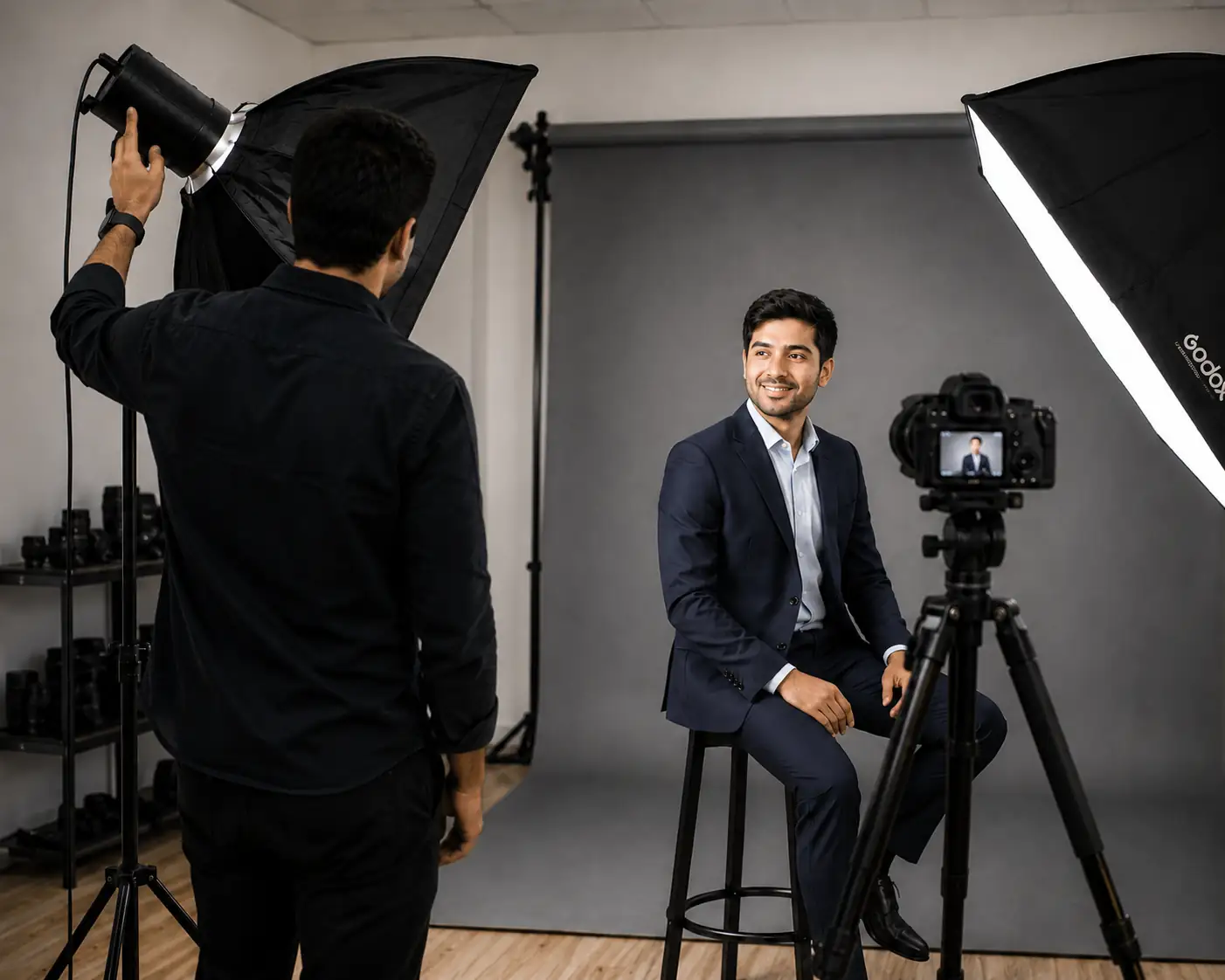

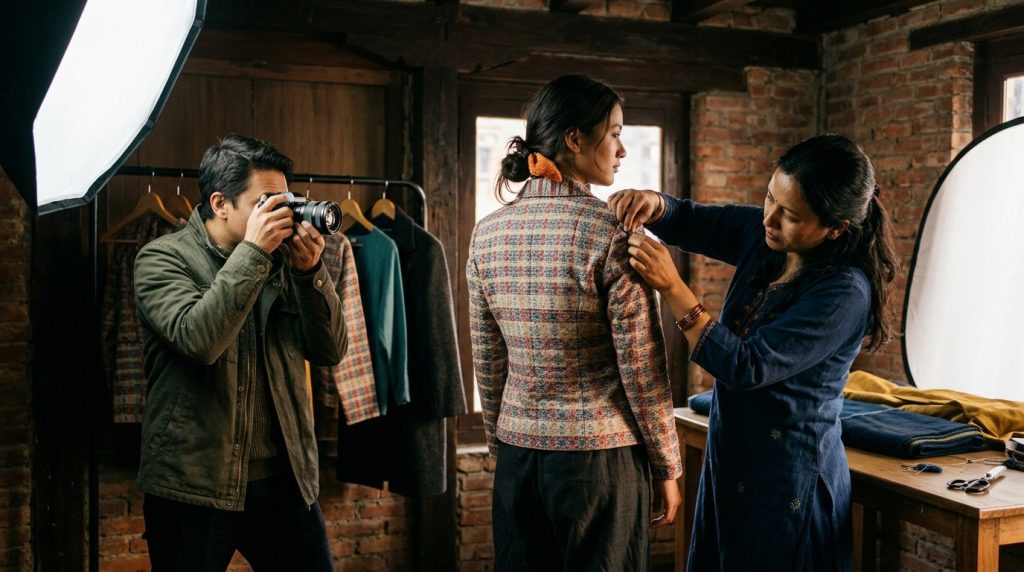
Your brand photos should do more than fill empty space. Photography for business branding gives your business a consistent visual story through portraits, product images, working scenes, and behind-the-scenes moments for your website, social media, and marketing materials. It helps people recognize what you do and understand your business.
It’s easy to reuse the same handful of images, especially when you’re busy creating content or preparing a launch. A planned shoot gives you a purposeful collection shaped around your audience, message, and the places the images will appear. Strong results start with clear choices, not simply a camera and a location.
This guide explains what brand photography can do, how to plan a shoot, and how photographers can choose a niche and build a portfolio that attracts suitable clients. You’ll also learn how to prepare cohesive visual content that supports your business goals, so every image has a purpose beyond looking polished.
Key Takeaways
- Use personal, consistent imagery to help your audience connect with the people and story behind your business.
- Plan a shoot around where the images will appear, who they need to reach, and what you want them to communicate.
- Choose a photography niche by aligning your strengths and creative style with the clients you want to attract.
- Build a focused portfolio that shows the kind of work you want to be hired for and makes your expertise easy to understand.
What is Brand Photography and why do I need it?
Photography for business branding uses portraits, products, and working scenes to show what a business feels like. A planned collection can make your visual identity more recognizable across marketing channels.
Connecting with Target Audiences
Personal branding photography tells a fuller story than a formal corporate headshot. A headshot usually focuses on a polished portrait; personal branding images can also show a business owner working, meeting customers, or using a product. These scenes help your audience connect a face with the values and experience behind the business. Choose moments that reflect how customers encounter your work, such as a consultant guiding a session or a maker preparing an order.
Using Images Across Marketing Channels
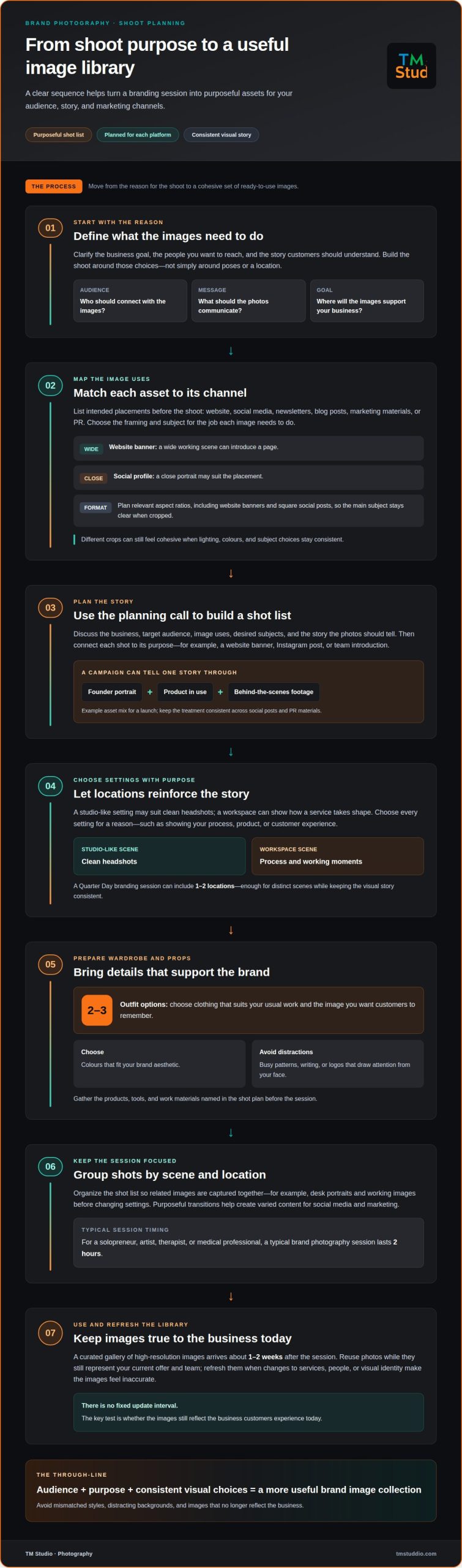
Brand photos can support a website, social media, newsletters, blog posts, marketing materials, and PR. Choose images for their intended use: a wide working scene can introduce a website page, while a close portrait may suit a social profile. Consistent lighting, colours, and subject choices create a cohesive look, even when each channel uses a different crop. Plan for relevant formats, including website banners and square social posts, so the main subject remains clear.
Reuse photos while they still represent your current offer and team. Refresh them when changes to your services, people, or visual identity make older images feel inaccurate. There’s no fixed update interval; what matters is whether the images still reflect the business customers experience today.
Brand Campaign Images and Video
A campaign can pair portraits, product details, and behind-the-scenes scenes to communicate one clear story. For example, a launch might use a founder portrait, a product-in-use image, and short footage showing how the product is made. A typical brand photography session for a solopreneur, artist, therapist, or medical professional lasts 2 hours, and a curated gallery of high-resolution images arrives about 1-2 weeks after the session. Avoid mismatched styles, distracting backgrounds, and images that no longer reflect your business. Plan each asset around its campaign role, then keep the visual treatment consistent across social posts and PR materials.
Planning a branding photoshoot
Start with the reason for the shoot, then plan images around your audience, platforms, and intended use. A clear plan turns the session into a focused set of assets rather than disconnected poses.
Customizing the Branding Session
A planning call can cover your business, target audience, image uses, desired subjects, and the story the photos should tell. A custom shot list can then link each image to a purpose, such as a website banner, Instagram post, or team introduction. Include the aspect ratios each platform needs, so framing works for both wide layouts and square crops.
Location should reinforce that story. A studio-like setting may suit clean headshots, while a workspace can show how your service takes shape. A Quarter Day branding session can include 1-2 locations, giving the plan room for distinct scenes without losing visual consistency. Choose each setting for a reason, such as showing your process, product, or customer experience.
Wardrobe and Shoot Preparation
Bring two to three outfit options that suit your usual work and the image you want customers to remember. Choose colours that fit your brand aesthetic, and avoid busy patterns or clothing with writing or logos that could distract from your face. Prepare any products, tools, or work materials included in the shot plan.
Before the session, organize the shot list by scene and location. For example, group desk portraits with working images before moving to another setting. This keeps transitions purposeful and helps capture varied content for social media and marketing. If you’re planning future posts alongside the shoot, content creation planning can help align images with the formats and themes your channels need.
Identifying a photography niche and expertise
A clear niche helps a photographer become recognizable and useful to specific clients. Rather than trying to capture every subject equally, identify work you understand and can represent with a distinct visual approach. For example, a photographer drawn to independent food businesses might focus on makers, kitchens, and customer experiences.
Start by reviewing successful past projects. Note which industries, subjects, and creative choices recur, then identify the strengths behind them. Perhaps you capture natural expressions well or turn complex services into clear visual stories. Compare those strengths with the clients you want to reach. Shared interests and experience can shape a niche that feels credible rather than forced.
A photographer’s identity should come through in the portfolio, communication, and images. Choose a consistent editing style and approach to subjects that express your values. A studio focused on artisan products, for instance, might use close details and purposeful working scenes. Its visual identity should support that creative direction across its portfolio and online presence, not compete with the work.
For businesses in Nepal choosing a branding photographer, look for portfolio examples relevant to your industry and intended image use. A Kathmandu café may need inviting food and staff imagery, while a consultant may need approachable portraits and working scenes. Discuss the story, audience, and channels the images must serve. These criteria help you assess fit beyond style alone.
To create a distinct visual brand identity, define three things: the clients you want to attract, the experience your images should communicate, and the approach that sets your work apart. Then build portfolio projects around that direction. If your strongest work captures people naturally, make that a visible thread. If product detail is your strength, show how those images help audiences understand the offer.
Building a branding photography portfolio
A strong portfolio helps prospective clients see the work you can create for them. Treat it as a curated introduction, not an archive: choose imagery that reflects a clear visual identity, shows your creative decisions, and helps the right audience connect your style with its business needs. A photographer aiming to attract hospitality clients, for example, can foreground atmosphere, people, and details that make a venue feel distinct.
Build each project around a useful story. Show the setting, the person behind the business, and the details that explain its offer. A sequence for a local craft business might move from the maker at work to a close view of materials, then to the finished product in context. This variety shows how you capture more than a polished portrait while keeping the images connected to one brand.
- Lead with relevance: Put projects for the clients you want to reach where viewers will notice them first.
- Show range with purpose: Include portraits, working scenes, products, and environmental imagery when they serve the same story.
- Explain the choices: Add a short project note describing the audience, visual direction, and intended use.
Review the full collection as a potential client would. Does the imagery feel cohesive, or do editing and composition shift without a clear reason? Remove images that weaken the story, even if they demonstrate technical skill. A focused portfolio makes your approach easier to understand and helps clients picture how their identity could translate into photographs.
Refresh the portfolio when your creative direction develops or you complete work that better reflects the projects you want next. A photographer moving toward founder-led businesses, for instance, can replace unrelated examples with portraits and working scenes that support that presence. Ready to shape a portfolio around your next audience? Plan your branding photography shoot with a clear story and intended use.
TM Studio: Photography
TM Studio helps businesses turn a clear brand story into photography that supports their marketing. Bring the team in when you need images planned for a campaign, a refreshed visual identity, or a collection of brand assets for your channels.
Photography can capture portraits, products, and working scenes, while videography adds moving content for campaigns. Search Engine Optimization and 360° Ads Boost can support wider digital visibility alongside those creative assets. The right combination depends on your content goals and where you plan to use it.
Share the audience you want to reach, the story your visuals should communicate, and the channels you’re preparing for. Contact TM Studio to discuss your branding photography project.
Make Your Brand’s Next Move Visible
Your next photoshoot can be more than a content refresh. Treat it as a chance to define what people should recognize, feel, and remember when they encounter your business. Photography for business branding works best when creative direction serves a clear purpose, from introducing a new offer to strengthening your digital presence.
TM Studio combines photography and videography with Search Engine Optimization, helping businesses create visual content with wider digital visibility in mind. Start with the audience you want to reach and the message your imagery should carry. That gives the project a practical direction without losing its creative edge.
Ready to shape visuals around your business goals? Contact TM Studio about brand photography and take the next step toward a more distinctive presence. Your story deserves imagery that moves it forward.
Frequently Asked Questions
Where can I use these photos?
Use branding photos wherever customers encounter your business, including website pages, social media profiles, email newsletters, and press materials. A Kathmandu café might use staff and interior images for its online profile, then select close-up product shots for a menu announcement. Keep the visual treatment consistent across platforms, and choose each crop to suit its placement in Kathmandu, Bhaktapur, or Lalitpur.
What Happens During a Branding Session?
A branding session turns a planned visual direction into a set of usable images. The photographer guides you through portrait, product, and work scenes, adjusting framing and direction for each setup. You might capture a founder speaking to camera, then photograph the tools used in their daily work. Between scenes, review the shot plan to make sure key moments and essential details aren’t overlooked.
What is business branding photography and what images should it include?
Business branding photography is a collection of images that expresses a business’s character through people, products, and context. Choose images based on what customers need to understand: a professional service could feature its founder explaining a process, while a retailer may prioritize product details and packaging. Include visual variety, but make every image reflect the same business identity and intended audience.
How do I plan a branding photo shoot for my business?
Begin by naming the business goal, such as introducing a service or refreshing a team profile. Then identify the audience, the channels where images will appear, and the subjects that help explain your offer. A Lalitpur-based hospitality business, for example, could plan staff portraits alongside images of its guest spaces. Prepare relevant products, work materials, and outfit options for the planned scenes.
How long does a branding photography session take, and how many photos are delivered?
Session length depends on the shot plan, locations, and scene changes. The number of final images also follows the project’s scope and intended uses, so agree on the required coverage before the shoot. TM Studio delivers final high-resolution edited photographs within 3 to 5 business days. For a project serving customers in Kathmandu, Bhaktapur, or Lalitpur, prioritize the images needed for your main channels.