
Strong hospitality content needs to do more than look appealing; it should help guests understand what makes a stay or experience worth choosing. A hospitality content creation agency in Kathmandu can produce photography, video, social posts, captions, and brand storytelling tailored to a property’s audience and goals.
Before committing, clarify the project scope and what the fee covers. Costs depend on the content formats, production needs, and deliverables, so there is no single price for every hospitality project.
This guide explains what hospitality content creation can include, which factors shape a project’s cost, and how to assess agency ratings and verified reviews. You’ll also learn what to look for in a professional’s portfolio and workflow, so you can make a confident choice and plan content that presents your hospitality business with clarity and character.
Key Takeaways
- Learn how graphic design, captions, and brand storytelling can give hospitality content a more consistent identity.
- See how short-form video and promotional content can showcase a property or guest experience across social channels.
- Assess agency ratings and verified reviews by looking beyond the score to the details of client feedback.
- Understand which project requirements shape content costs, so you can plan a brief around your priorities.
Graphic design, captions, and brand storytelling
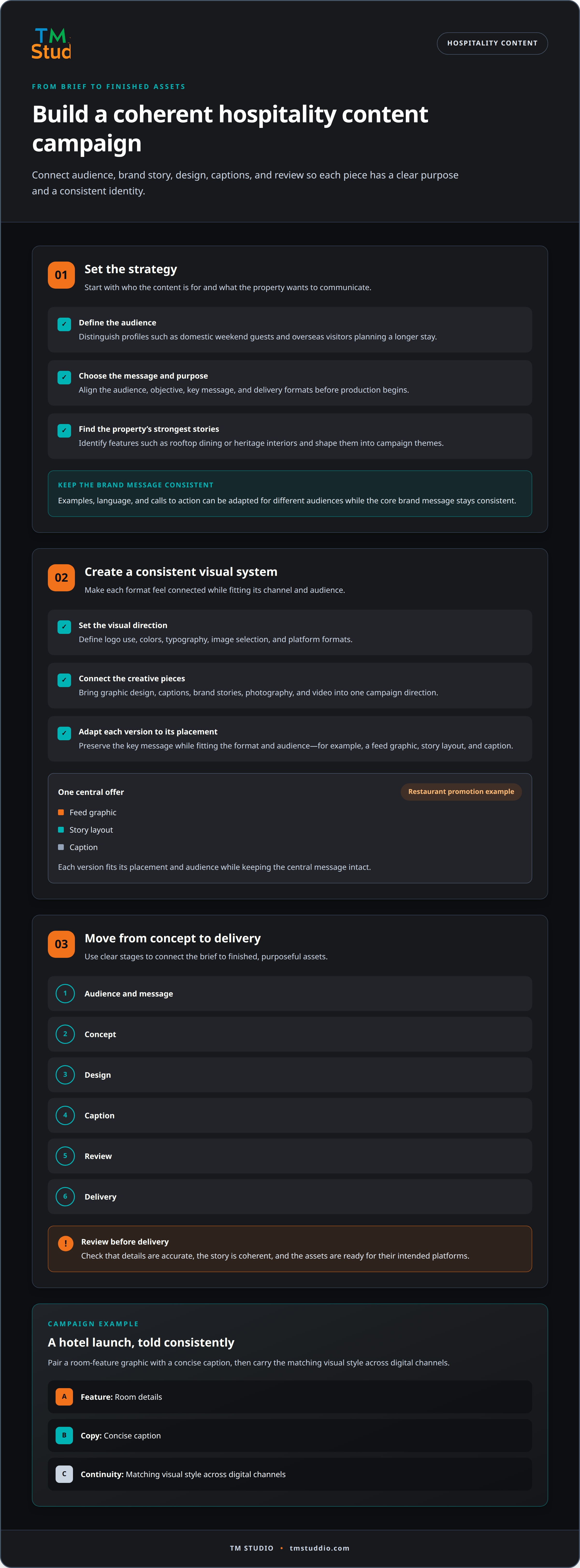
A hospitality agency can connect graphic design, social captions, brand stories, photography, and video into a consistent campaign. For example, a hotel launch might use a room-feature graphic, a concise caption, and a matching visual style across its digital channels. Together, these elements help establish a recognizable identity and support online visibility.
Content for domestic and international travelers should reflect the audience, property, and purpose. Start by defining distinct audience profiles, such as domestic weekend guests and overseas visitors planning a longer stay. The team can adapt examples, language, and calls to action while keeping the core brand message consistent. Kathmandu’s neighborhoods and nearby experiences can provide useful context when relevant to the property.
A brand strategy gives each creative decision a clear purpose. An agency can identify a property’s strengths, such as a rooftop dining area or heritage interiors, and turn them into campaign themes. It can then develop a visual direction, caption style, and content calendar, keeping each post connected to the broader story.
Graphic design and branding depend on practical details such as logo use, colors, typography, image selection, and platform formats. A restaurant promotion, for instance, can express one central offer through a feed graphic, a story layout, and a caption. Each version should preserve the key message while fitting its placement and audience.
Strong creative production links the brief to finished assets through clear stages: audience and message, concept, design, caption, review, and delivery. During development, the agency can shape a single theme into several content pieces, such as a room feature, dining highlight, and guest-experience post. A professional content creation process makes each asset purposeful, coherent, and ready to support the wider marketing plan.
Short-form video, reels, and promotional content
Hospitality marketing can bring together photography, videography, social media marketing, and Search Engine Optimization, each with a distinct role. Short-form clips can introduce an experience, while search-focused content helps travelers discover relevant information.
Travel and Tourism Videos
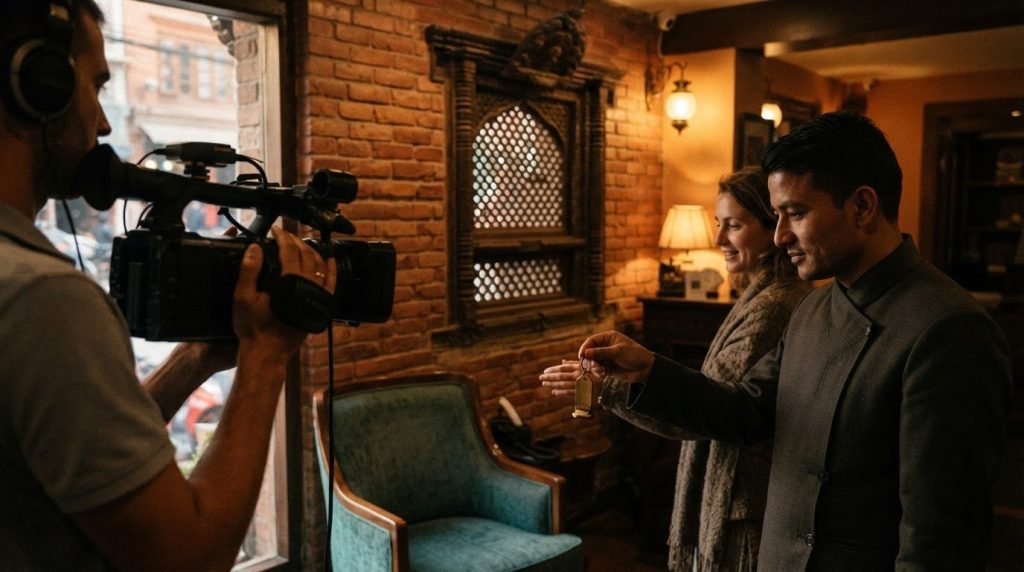
Travel videos can show a guest journey through a Kathmandu hotel, from arrival and room details to dining or nearby attractions. A content team plans the sequence around the intended audience, then captures footage and selects moments that communicate the experience clearly. Review the finished edit for accurate property details, a coherent story, and platform-ready framing before it joins a campaign.
Promotional Video Production
Promotional production turns a specific offer or property feature into a focused story. A restaurant might highlight a signature dish, while a hotel could feature its event space. Production can use live-action footage, motion graphics, or AI-assisted elements when they fit the concept. Assess whether the final video makes the offer clear and keeps brand details consistent.
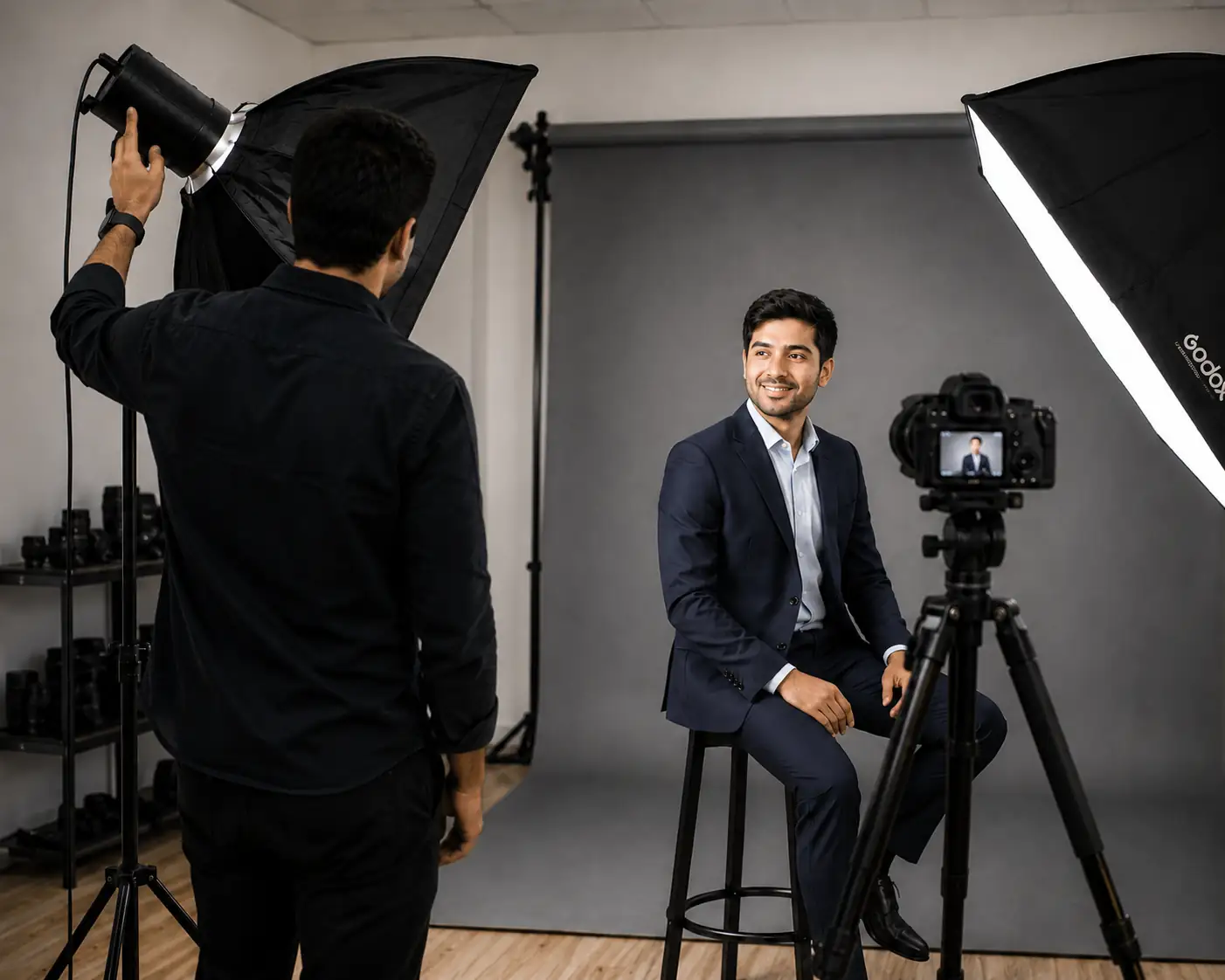
Photography and videography support different campaign needs. A photo set can show room layouts and dining details; a reel can connect those scenes through movement, sound, and captions. An agency in Nepal can plan the shot list, capture assets, and adapt edits for social media marketing. If an influencer appears, the brief should define their role and the message they deliver.
Digital marketing can also include video in programmatic display campaigns, placing creative assets across digital advertising inventory. Match the video format and message to the campaign objective, audience, and placement. A short property introduction may build awareness, while a dining promotion can highlight a specific experience. Check that each creative fits its placement and supports the brand’s online presence.
Before production, align the audience, objective, key message, and delivery formats. This connects creative choices to a clear campaign purpose instead of producing clips without a defined role.
Agency ratings and verified reviews
Choose a hospitality content creation agency in Kathmandu by matching its portfolio to your property and goals. Review examples for hotels, restaurants, or travel brands, and assess whether the work connects creative output with social engagement, enquiries, or conversions. Look for evidence in the projects, not just in service descriptions.
Which agencies specialize in hospitality content creation? GoodFirms lists 38 content marketing companies in Kathmandu as of November 2026, but a directory category alone doesn’t establish hospitality expertise. Look for specific hotel, restaurant, or tourism projects in an agency’s portfolio. Check whether those examples reflect the audience, content formats, and brand style your business needs.
The median client rating for listed Kathmandu content marketing companies is 5 as of November 2026. Treat that figure as a starting point, not a complete measure of success. Read individual reviews for project details, communication, delivery, and the agency’s response when a client describes a problem. A rating has more context when the feedback explains what work was completed.
When assessing reviews, look for a clear client identity, a named project, and details about the work. A review explaining how a campaign was planned offers more context than a rating alone. Compare several accounts, note recurring strengths or concerns, and consider whether the feedback relates to hospitality.
Risks include choosing an agency based only on its rating, hiring a team without relevant examples, or agreeing to a vague scope. These can lead to generic social content, unclear approval steps, or work that misses your strategy. Set expectations for deliverables, review stages, and campaign goals before production begins.
Use a clear decision process: shortlist agencies with relevant examples, compare review details, and discuss a sample brief. A hospitality content creation agency in Kathmandu should explain how its proposed work fits your audience and goals. Define success in practical terms, such as stronger engagement or more booking enquiries, so you can evaluate the plan against your business priorities.
Content creation requirements and costs
Project costs depend on the work involved, not simply the number of posts. A Kathmandu hotel needing a monthly social media calendar has different requirements from a restaurant commissioning campaign photography, captions, and advertising assets. Production time, locations, formats, revisions, and publishing support all shape the scope. A clear brief helps a content partner estimate the work accurately.
A hospitality content contract should specify deliverables, formats, deadlines, fees, payment terms, approval stages, revision limits, and content usage rights. It should distinguish production fees from advertising spend so both sides understand what the agreed amount covers. For a restaurant campaign, state whether the scope includes menu photography, short videos, captions, or a combination.
Before estimating, a professional team needs the target audience, campaign objective, brand materials, and access arrangements. A hotel promoting its event space might prioritize enquiry generation, while a café introducing a seasonal menu may focus on local engagement. These goals influence the creative brief, production plan, and final asset mix. Clear priorities prevent unnecessary work and keep content aligned with the business’s online presence.
Review the proposed scope for practical details: what will be created, how feedback works, and when files will be delivered. If the project includes paid advertising, clarify who manages the campaign and which costs are separate. The agreement should also define who approves content and how changes are handled, making expectations easier to manage.
To prepare a useful brief, gather existing brand guidelines, preferred platforms, campaign dates, and examples of content that fit your property. Then align the target, message, and desired engagement before production begins. For a tailored hospitality content plan, discuss your content requirements and define the scope around your goals.
This figure offers a reference point for comparing estimates, while the scope defines the work required.
TM Studio: Content Creation
TM Studio helps hospitality businesses create content that presents their guest experience clearly and consistently. Its content creation service suits properties that need connected visual and written assets rather than isolated posts.
Photography and videography can capture spaces, dining, and experiences for digital channels. Search Engine Optimization can improve the discoverability of relevant content, helping potential guests find information as they consider where to stay or eat. The right mix depends on your property, audience, and communication goals.
Share your priorities, preferred channels, and the guest experience you want to highlight. TM Studio can shape the creative work around those needs. Contact TM Studio to discuss your hospitality content project.
Turn Your Content Plan into a Clear Next Step
Define your next campaign’s purpose before production begins. Decide which guest experience to highlight, who needs to see it, and what action the content should support. This focus helps a hospitality content creation agency in Kathmandu shape creative work around your business priorities instead of producing disconnected assets.
TM Studio combines content creation with photography and videography to present hospitality experiences across digital channels. Search Engine Optimization can also help relevant content get discovered. These services give hotels and restaurants a practical way to strengthen communication with prospective guests.
Start with the property, audience, and campaign goal you want to prioritize. Contact TM Studio about your content needs and take the next step toward purposeful hospitality content.
Frequently Asked Questions
Which hotels, restaurants, or tourism brands have Kathmandu agencies worked with?
Tourism-related examples in TM Studio’s client information include Blue Lake Tours and Travels and Explore Nepal Trails. Blue Lake Tours and Travels is featured in an SEO case study, while Explore Nepal Trails appears among client testimonials. Review each project’s scope to understand whether it involved hospitality content, search visibility, or another type of marketing work.
What are the typical prices for hospitality content creation in Kathmandu?
There is no single price for every hospitality content project in Kathmandu. Costs depend on deliverables, production needs, editing, and whether the work involves an ongoing content plan or a single campaign. A hotel requesting photography and video assets has a different scope from a restaurant seeking social posts. TM Studio provides custom quotes based on project requirements.
How do Kathmandu agencies compare on portfolio, services, and client reviews?
Compare agencies by matching their examples and services to your business goal. For a boutique hotel, look for work featuring rooms and guest experiences; for a restaurant, examine food-focused creative. Check whether the agency offers the formats you need and whether client feedback describes relevant project work. A portfolio, service fit, and detailed reviews provide a more useful basis for deciding than a rating alone.
Which agencies in Kathmandu specialize in hospitality content creation?
Look for Kathmandu agencies with specific hotel, restaurant, or tourism projects in their portfolios. A directory category alone does not establish hospitality expertise.