
A polished video is only valuable when it gives your business a clear next move. For commercial videography in Nepal, a corporate video usually takes 2-4 weeks from planning and shooting through post-production. The right approach connects the story, visuals, and intended audience to a business goal, whether that’s introducing your company, showcasing your team, or promoting an offer.
Video can help your brand stand out, but the right format and message make a production purposeful. This guide explains how corporate videos, team-focused content, and advertisements can support business goals in Nepal, what the production process involves, and which factors shape the timeline and budget. You’ll also learn how to prepare a strong brief and align creative decisions with the audience you want to reach. Start with the goal, then build a video to bring it to life.
Key Takeaways
- Set a clear business goal before production so the video’s message, audience, and format work together.
- Shape team-focused content around the needs of marketing, HR, leadership, or sales to make each asset more useful.
- Assess project experience by looking at how a production team translates a brief into a clear story and finished content.
- Plan advertisements around the audience and intended action, then align the creative concept with the campaign’s purpose.
Corporate video production
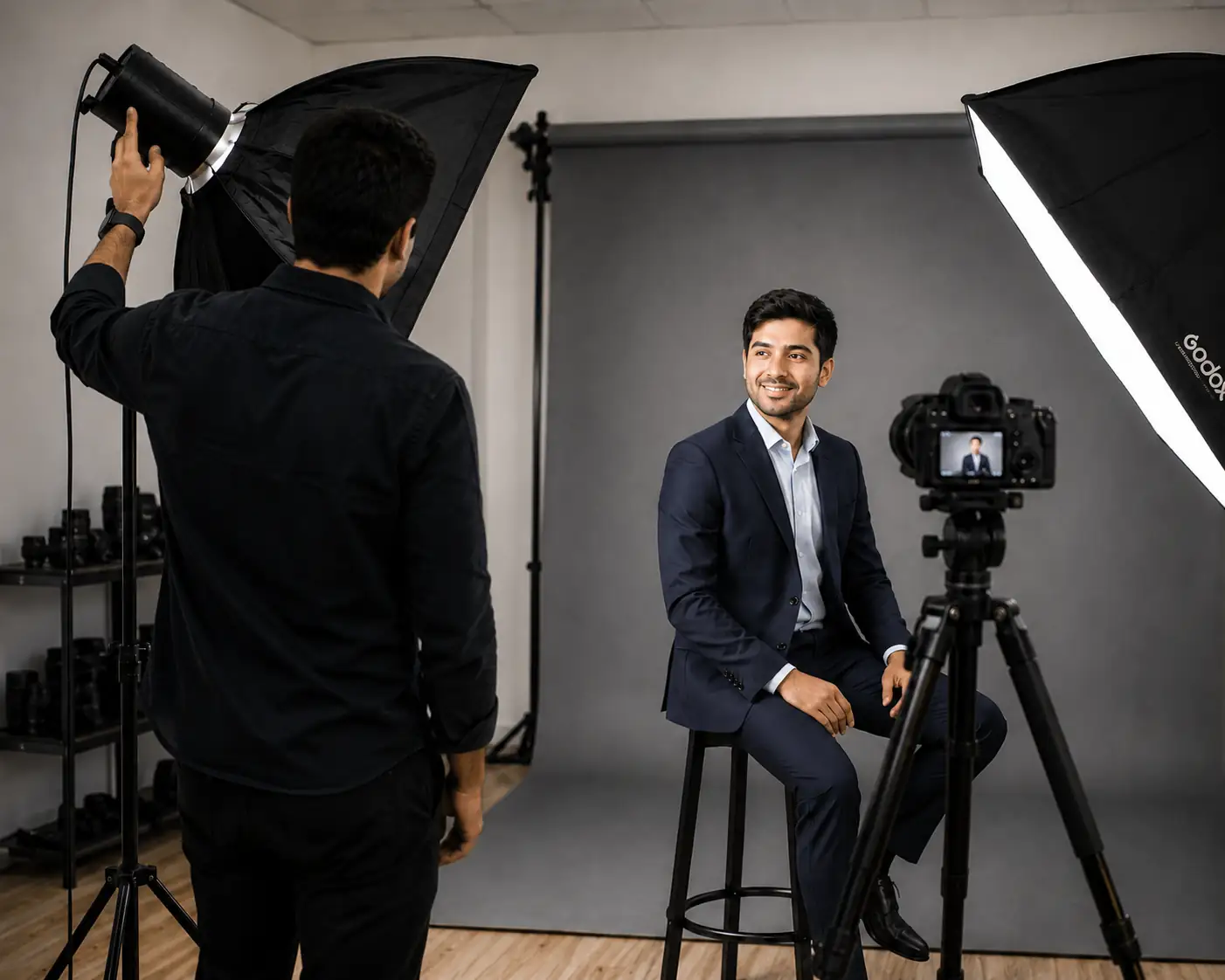
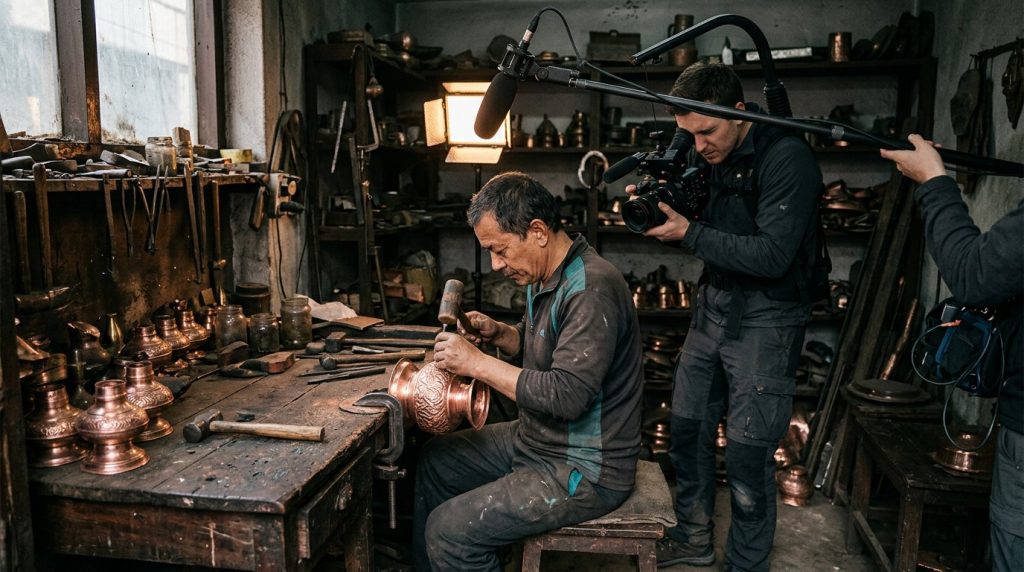
In Kathmandu, a corporate production can combine interviews, workplace footage, and photography to create practical brand assets. Match each shot and deliverable to a specific business goal.
Production Planning Through Delivery
Plan production from the brief through final delivery. A clear script establishes the message, interview prompts, locations, and shots before filming. For example, a company introduction could pair a leader’s interview with team activity and workplace footage. Corporate photography can add headshots, team portraits, facility images, and product photos for campaigns.
In Kathmandu, coordinate the schedule, locations, and required permissions during pre-production. Filming permits in Nepal typically take 7-10 working days, depending on the project and permissions required. Drone shoots need separate planning for permissions relevant to the flight and location; requirements depend on the planned activity. Editing then shapes footage into the agreed formats, with delivery matched to the intended channels.
Choosing a Production Company
When contacting a Kathmandu production company, send a concise brief outlining your audience, objective, key message, locations, and intended uses. Request a proposed scope covering the script, shoot plan, editing, deliverables, and schedule. Reviewing comparable corporate films and photography helps you assess whether the visual approach suits your brand.
Ratings alone don’t show whether a team fits your project. Look for relevant examples, clear communication, and a production plan tailored to your needs. Commercial videography in Nepal may involve different locations and permissions, so plan logistics early. Common challenges include coordinating people and locations, adapting to weather changes, and aligning the edit with campaign deadlines. Allow contingency time in the schedule.
Costs, Timelines, and Contracts
Project pricing depends on the case and is given after a quote request; project length, crew size, locations, and post-production requirements shape the cost. A corporate video in Nepal usually takes 2-4 weeks, including planning, shooting, and post-production. Production teams are advised to start at least 4-6 weeks in advance to coordinate permits, logistics, and pre-production.
Use a written agreement to define the scope, deliverables, shoot dates, included revision rounds, payment terms, usage rights, and cancellation arrangements. Specify who handles location permissions and how delays affect delivery. Clear terms help everyone manage feedback and responsibilities from filming through final handover.
Corporate visual content for marketing, HR, leadership, and sales teams
Different teams need different visual assets, even when they share one brand. Map each shoot to a practical use, such as recruitment, explaining a strategy, or supporting a sales presentation.
Marketing teams can plan social media clips around a campaign message, while HR can capture employee stories for recruitment content. Leaders can record a short update to explain a company initiative. Sales teams can share product demonstrations that show features in context, rather than relying only on a static pitch deck.
Corporate Films and Promotions
A corporate film can introduce an organization, explain its work, or show how a service meets customer needs. A promotional video should focus on one offer and one next step, such as viewing a product demonstration or learning about a service. Before filming, align the script, interview questions, and call to action with the intended audience.
For an event, plan photo and video coverage around key moments, such as a keynote, product launch, or team recognition. Capture both the main presentation and brief attendee reactions. Marketing teams can use the footage for a recap, while HR can share internal highlights with employees.
Brand Video Content
Brand videos connect a company’s message with the people and work behind it. A Kathmandu-based business, for example, could combine a leader’s explanation with footage of its team serving customers. Keep the message consistent across the full film and shorter social media edits so every format reinforces the same brand identity.
Corporate and team portraits add a human dimension to company profiles, recruitment materials, and sales presentations. Coordinate clothing, backgrounds, and framing for a consistent visual style. Pair selected portraits with short staff interviews to give audiences both a face and a personal perspective.
Plan a content set around specific channels and teams before production begins. Corporate photography and video content can help bring those visual needs into one coherent brief.

Client results and project experience
A portfolio is most useful when it shows how a production team turned a business goal into a clear concept. For each case study, identify the original objective, intended audience, creative approach, and delivered assets. A Kathmandu hospitality brand, for example, might need a launch film, social clips, and still images. These details show whether a studio can translate a brief into relevant production, not just attractive footage.
Look for evidence that connects the video to its business purpose. Assess a recruitment film against hiring goals, for example, or a product explainer by how well it supports customer understanding and sales conversations. Before production, define relevant signals, such as qualified enquiries, completed views, or event registrations. Then compare results with the campaign’s starting point and distribution plan. This makes a case study more informative than a general claim of success.
Review how each team adapts motion, pacing, and format to the intended channel. A TikTok concept may use a direct opening and vertical framing, while a leadership film may call for a measured interview and workplace footage. Ask how the team carries the same brand idea across edits without making every version feel identical. This reveals whether the concept can adapt across platforms while keeping a consistent message.
Project experience also includes communication and delivery. Trace a sample project from initial brief to final files: who shaped the concept, how feedback informed the edit, and whether the deliverables matched the agreed use. A product launch, for example, may need a hero film for presentations and short edits for social campaigns. Clear case-study details help you assess the creative choices, production process, and fit for your next brief.
Amplify Digital says video production costs in Nepal depend on project length, crew size, locations and post-production requirements. When reviewing a case study or discussing a similar brief, connect each proposed cost factor to the intended concept, audience, channels, and deliverables. This helps clarify what the production approach requires and whether the estimate reflects the work you need.
Ask the team to explain how changes to the requirements would affect the scope. A clear comparison helps you assess whether the production plan supports your goals, rather than judging the work by its visual style alone.
Commercial and television advertisements
Commercial video projects in Nepal can include television commercials, brand films, product advertisements, promotional videos, and video content for business promotion across digital channels. Each format needs a defined audience, a focused message, and a creative concept that serves the campaign’s purpose.
Start with the action you want viewers to take. A Kathmandu restaurant might promote a new menu, while a technology brand could demonstrate a product feature. These goals shape the script, locations, cast, and final edit. A strong advertisement makes its central benefit clear instead of squeezing every company message into one short film.
Production moves from concept development to scripting, filming, editing, and delivery. During pre-production, the team maps key scenes and plans how the product or service will appear on camera. On set, a director can capture alternate takes for different edits. This flexibility helps adapt a campaign idea for television and social platforms without losing its central message.
Sound design and colour grading shape the final viewing experience. Clear dialogue and balanced music help audiences follow the story, while grading gives scenes a consistent visual tone. A travel brand, for example, can pair location footage with an inviting voiceover. A product advertisement may instead use close-ups and concise narration to make its features easier to understand.
Before approving the final cut, review the script, brand details, product claims, and intended placements. Confirm that the delivered formats match the campaign plan, including any shorter edits. Commercial videography in Nepal is most effective when creative decisions serve the audience and intended action. A clear brief connects the concept, production, and campaign use.
Build your next advertisement around a clear concept and audience. Plan a commercial video project with a focused production brief.
TM Studio: Videography
TM Studio helps businesses in Nepal turn corporate video and advertising briefs into visual content for their marketing goals. Its Videography and Photography services support projects that need both motion and still images, such as a brand film paired with team portraits.
Turn to TM Studio when you have a defined audience, message, or campaign concept and need video content to bring it to life. Search Engine Optimization and 360° Ads Boost can also support broader visibility and promotion alongside creative assets, without promising a particular result.
Bring your project goal, key message, and intended use to the conversation. Contact TM Studio to discuss your video project.
Turn Your Video Idea Into a Clear Next Step
Your next video can do more than fill a content calendar. Give it a defined role in your business, such as making a new offer easier to understand or helping your brand connect with a specific audience. A focused approach to commercial videography in Nepal starts with one question: what should viewers know, feel, or do after watching?
Turn that intention into a concise project brief. Name the audience, central message, where the video will appear, and the action you want it to prompt. This gives the creative direction a practical anchor and helps each production choice serve a purpose. TM Studio can align a video concept with broader visibility through visual content and Search Engine Optimization.
Take the next step with a focused conversation about your goals and creative direction. Contact TM Studio about your video project, and start building a visual idea around the business outcome you want to pursue.
Frequently Asked Questions
What is included in a commercial video production package in Nepal?
A commercial video package is shaped around the project’s deliverables, rather than a fixed set of inclusions. For a campaign aimed at audiences in Kathmandu, Bhaktapur, and Lalitpur, discuss whether the scope needs scripting, filming, editing, short social cuts, or supporting photography. TM Studio provides Videography, Photography, and Content Creation. Commercial usage rights are included with its photography and videography deliverables.
How do I hire a commercial videographer in Nepal?
Start by sharing your business goal, target audience, key message, preferred locations, and intended platforms. Then review relevant work and agree in writing on the scope, final formats, schedule, and feedback process. Local context matters for commercial videography in Nepal: a shoot in Kathmandu, Bhaktapur, or Lalitpur may require different location planning. Contact TM Studio with a focused brief to discuss your video project.
What permits are required to film commercial videos in Nepal?
Required permissions depend on the project and locations. Filming permits typically take 7-10 working days; drone shoots need separate permissions relevant to the flight and location.