

A 360 ads campaign in Nepal brings a business’s online and offline marketing activities together under one plan, so each channel supports the same brand and business goal. That means keeping the message consistent across a website, search presence, social media and influencer activity, rather than treating each touchpoint as a separate effort.
It’s easy to see why businesses focus on individual channels: each can help reach customers in a different way. But coordinated activity creates a clearer experience and helps you see how attention can lead to enquiries or sales.
This guide explains how 360 marketing applies in Nepal, how to set objectives for channels such as search and display advertising, and how to plan location, timing and budget around your goals. You’ll also learn how to track meaningful conversions, including form submissions, calls and purchases, instead of judging a campaign by clicks alone. Use these principles to build a campaign plan that connects creative decisions with measurable business outcomes.
Key Takeaways
- Bring online and offline activity under one consistent plan, shaped around the audiences and locations your business wants to reach in Nepal.
- Match each advertising channel to a clear objective, from building awareness to generating leads or sales.
- Measure form submissions, calls and purchases alongside clicks to understand which activity is driving useful outcomes.
- Build advertising rules and permit considerations into campaign planning so creative execution and compliance move together.
What Does “360 Marketing” Mean in the Nepali Context?
A 360 ads campaign in Nepal coordinates online and offline activity around one business plan. Its message stays consistent across a website, search, social media, and influencer activity.
Audience Targeting in Nepal
Define your audience by location, needs, and buying intent. A Kathmandu retailer might focus on nearby shoppers, while a Bhaktapur service business could target people looking for its specific service. A Lalitpur café may promote a local offer to customers in its trading area. Compare responses by channel and audience so every marketing action has a clear purpose, rather than pursuing broad reach without a relevant next step.
Integrated 360-Degree Campaigns
An integrated campaign connects channels to the same offer and customer action. A social media post can introduce a product, while an SEO-focused website helps people find details through search. Influencer content can reinforce the same promise, and an offline event can direct visitors to the offer. Before launch, align the wording, visuals, and call to action. Consistent campaign materials help customers recognize the message at every touchpoint.
Successful Nepal Campaign Examples
A Kathmandu shop could coordinate a Dashain promotion across social media, search, and an in-person event. A Bhaktapur business might pair Tihar product photography with a seasonal offer and a clear enquiry action. A Lalitpur café could share New Year content across its channels. These are practical campaign models, not claims about past results. Assess performance against the chosen goal, such as enquiries or purchases.
For startups, a focused marketing package can center on one audience, one offer, and the channels needed to reach it. A growing business may coordinate social media, website search, influencer activity, and local promotion as its audience expands. When comparing agencies in Kathmandu Valley, examine how they set objectives, connect channel activity, explain reporting, and tailor creative work to local customers. Choose deliverables linked to a clear business action.
Campaign advertising strategy and objectives
Choose your business objective before selecting platforms or creating advertisements. Google Ads goals can include brand awareness, website leads, calls, or e-commerce sales. Each goal needs a suitable customer action. A Kathmandu retailer might prioritize calls about product availability, while a Lalitpur service business may focus on qualified enquiry forms. Clear objectives give campaign decisions a practical direction.
Match the campaign type to customer intent. Google Ads Search campaigns suit people actively looking for a service, while Display campaigns build awareness among people browsing websites. A Bhaktapur repair business could use Search to reach people seeking repairs. A business introducing a new product could use Display to present its offer to relevant audiences. Keep the message aligned with its destination.
Shape media choices around where you can serve customers. Google Ads location targeting can focus on Kathmandu, Bhaktapur, or Lalitpur. Select areas that fit your service footprint, then tailor creative to local customer needs. Dashain, Tihar, and New Year offer seasonal campaign opportunities. Campaigns commonly run from a few weeks to several months, depending on their goals.
For PPC campaign management, align bid decisions with the value of the desired action. Review search terms, audience fit, and conversion quality before adjusting bids. If calls matter, assess whether advertisements generate relevant calls. If online sales matter, use purchase activity to guide changes. This keeps bidding tied to business priorities rather than clicks alone.
- Awareness: focus on relevant reach and recognizable creative.
- Leads: connect a focused offer to a direct enquiry path.
- Sales: align advertisements with product information and purchase actions.
A useful partner explains the media strategy and reporting in clear terms. Ask how the plan responds to competitive search terms and changing trends. For support connecting campaign goals with creative, explore content creation agency services in Nepal.
Conversion tracking and measuring campaign results
Set conversion actions before launching Google Ads or social campaigns. For businesses in Nepal, useful actions include form submissions, phone calls, and purchases. Clicks show attention, but they don’t confirm business impact. A service company can count completed enquiry forms, while an online seller can track completed orders. This gives each campaign a measurable outcome.
Connect each tracked action to its source. For example, label campaign links by channel and creative so reports distinguish social media visits from influencer referrals. If a customer sees an advertisement and calls later, record the call as a separate outcome. Use consistent campaign names across channels. Clear labels make comparisons more useful.
Review the full path, not just the final click. Compare impressions, engagement, leads, and conversions to see where people respond or drop off. Ecstatic Minds describes these measures as inputs for assessing campaign return on investment. Strong visibility may generate attention, while qualified leads show whether that attention advances a sales goal. Interpret every measure in relation to the campaign objective.
- Awareness: review impressions and engagement for relevant reach.
- Lead generation: count completed forms and qualified calls.
- Sales: compare purchases with the campaign source.
Use a regular reporting cycle to turn tracking into action. First, compare actual conversions with your intended goal. Next, identify the channel, audience, or creative associated with stronger responses. Then adjust the campaign based on those signals. For example, if search drives enquiries but social media drives views, give each channel its strongest role instead of judging both by one metric.
Keep attribution limitations in mind when customers interact with several channels before converting. A person may see an influencer post, search for the brand, then submit a form. Review the sequence alongside channel-level results, and avoid assigning all credit to one touchpoint. This gives businesses in Nepal a more balanced basis for improving creative, budget allocation, and campaign decisions.

What permits or advertising rules apply to campaigns in Nepal?
Plan compliance according to the campaign channel, placement, and advertised product. A social media promotion, a Google Ads campaign, and a roadside billboard involve different publishing environments. No single approval step automatically covers every format. Before launch, list each placement and identify the relevant permissions, platform policies, and claim checks.
For physical advertising, document the proposed location and format first. A billboard, event banner, or promotional display may involve site-owner permission and local requirements specific to that placement. Confirm access with the property owner and relevant local authority before production or installation. Keep the approval record with the campaign files, including the location and approved creative.
For digital placements, review the advertising platform’s policies before submitting creative. Google Ads and social media platforms set rules for ad content and destination pages. Check that the headline, image, offer, and landing page agree. For example, if an ad promotes a discount, make sure the destination page clearly explains the same offer and its conditions.
Substantiate factual claims before publication. A product advertisement should not promise a feature the product doesn’t provide. A service promotion should describe its scope accurately. For influencer activity, agree on the approved message and how the partnership will be disclosed to audiences. Keep the final post and supporting claims in the campaign record.
- Before production: map each channel, placement, and responsible approver.
- Before publishing: compare claims, offer terms, visuals, and destination pages.
- After approval: store permissions, final creative, and published versions together.
Use this workflow to reduce avoidable revisions and keep creative decisions accountable. For support shaping campaign materials around clear, accurate messaging, plan your campaign content.
TM Studio
TM Studio helps businesses in Nepal connect campaign planning, creative content, and performance measurement. Turn to the team when your channels need a shared objective or when you’re preparing a campaign that calls for coordinated digital execution.
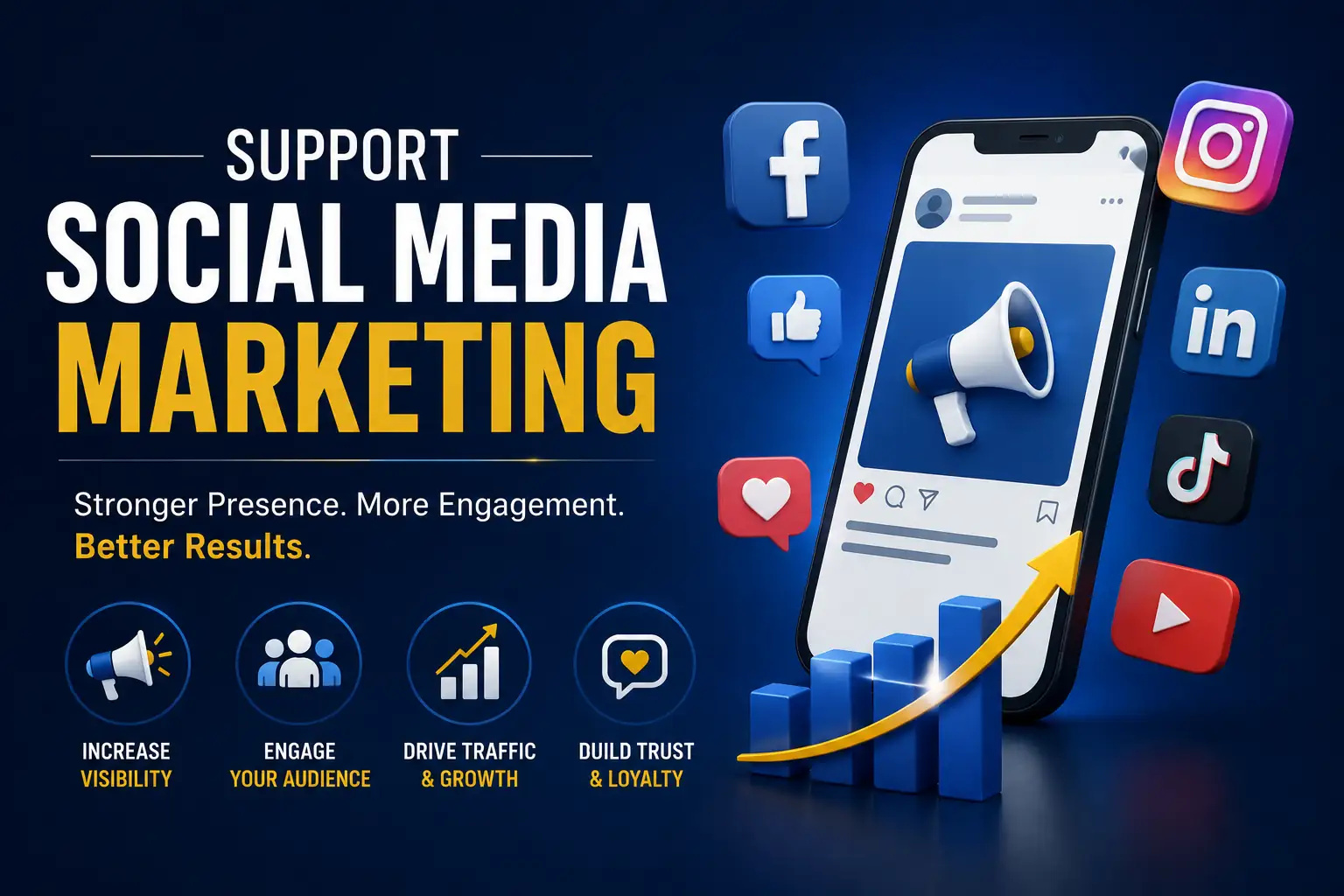
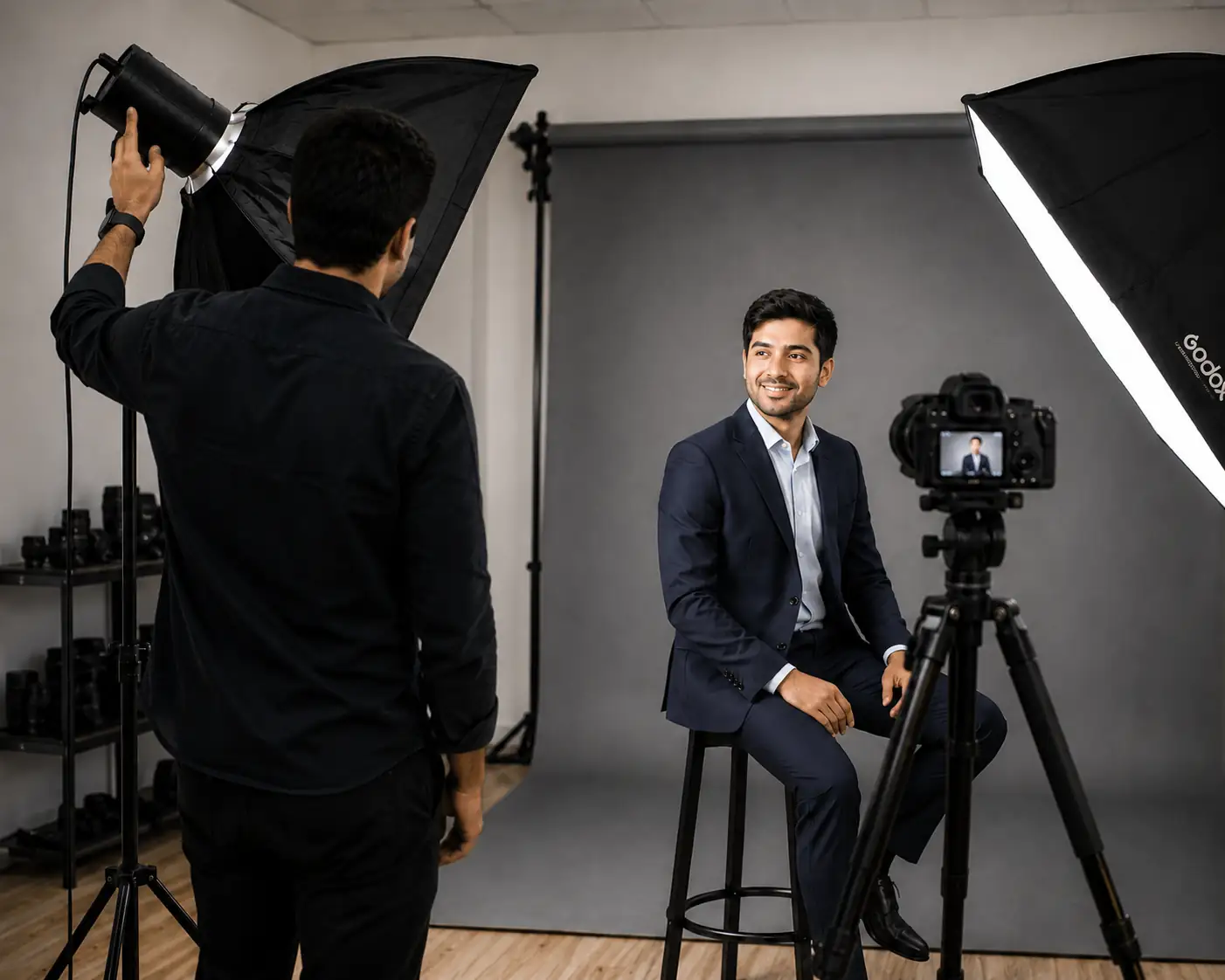
Search Engine Optimization can support discovery through search, while Social Media Marketing and Performance marketing connect audience engagement with campaign goals. Photography and Videography help shape visual content, and 360° Ads Boost supports a coordinated advertising approach. The right mix depends on your audience, channels, and desired action.
Bring your campaign objective and audience priorities into the conversation to define a practical next step. Contact TM Studio to discuss your campaign.
Turn Your Campaign Plan Into Momentum
The next advantage comes from making your campaign a learning process, not a one-time launch. Treat each audience response as a signal: refine the message, strengthen the creative, and focus activity on the actions that matter to your business. A 360 ads campaign in Nepal can then evolve with customer needs instead of relying on a fixed plan.
TM Studio can shape that next step through Search Engine Optimization, Photography, and Videography, connecting discoverability and visual storytelling with your campaign direction. These services support strong creative foundations while keeping your business priorities in focus.
Bring your goals and campaign challenges into a focused conversation. Contact TM Studio to discuss your campaign and explore a practical way forward. Build with intention, learn from the response, and keep moving toward your next growth opportunity.
Frequently Asked Questions
What is a 360 advertising campaign in Nepal?
A 360 ads campaign in Nepal coordinates several marketing touchpoints around one business objective. For example, a Kathmandu restaurant might pair social posts introducing a new menu with search visibility and a consistent offer across customer communications. The key is continuity: each touchpoint should reinforce the same brand promise and guide people toward a relevant next action, rather than compete for attention.
Which agencies offer 360 advertising campaigns in Nepal?
TM Studio offers 360° Ads Boost for businesses seeking coordinated digital advertising. Its local focus includes Kathmandu, Bhaktapur, and Lalitpur, where campaign priorities may differ by audience and business location. Consider whether your campaign needs paid promotion, supporting creative, or stronger search visibility, then discuss those priorities with the team. This helps frame the work around your business objective rather than a generic channel bundle.
What services are included in a 360-degree marketing campaign in Nepal?
The right mix depends on the campaign goal. A business building product awareness might use Social Media Marketing with photography or video assets. A service business seeking organic discovery may add Search Engine Optimization, while paid promotion can support a time-sensitive offer. Content Creation can adapt messages for different platforms. In Kathmandu, Bhaktapur, or Lalitpur, tailor the campaign to the audience and customer action each channel is meant to support.
How much does a 360 advertising campaign cost in Nepal?
Campaign pricing depends on its scope and is provided after a quote request. Cost factors include the number of channels, campaign duration, creative production needs, audience targeting, and advertising spend. A campaign using existing assets, for example, may require a different scope from one needing new photography and video. Contact TM Studio for a custom quote based on your objectives and planned activity in Kathmandu, Bhaktapur, or Lalitpur.
Which advertising channels are most effective in Nepal for a 360 campaign?
The right channel depends on customer intent and the result you want. Search advertising can reach people actively looking for a service, while Display can build awareness as people browse websites. Social media can distribute campaign creative, and SEO supports organic discovery over time. A Kathmandu retailer and a Lalitpur service business may need different channel mixes, so compare channels by how they contribute to your chosen goal.
How do you plan and launch a 360 marketing campaign in Nepal?
Begin with a specific business objective, such as enquiries, calls, or product sales. Define your audience and locations, then choose channels that fit how customers discover and evaluate your offer. Prepare consistent creative and a clear destination for each advertisement. Before launch, confirm the campaign messaging and set up conversion tracking. After publishing, review actual customer actions and refine the channel mix based on the results.